Artwork condition and complexity
A clean vector logo with a few solid shapes is quicker to plan than a low-resolution photo, a gradient or a detailed illustration. Shading and fine texture have to be translated into stitch types, and unclear artwork may need to be redrawn before digitizing starts.
Design size
Stitch count grows with the area that is filled, not just the width. A 10" jacket back holds many times the stitches of a 3" left chest, and a design is planned for its finished size rather than simply scaled up or down.
Stitch planning
Every object needs a stitch type, angle, underlay, density, pull compensation and a place in the sewing order. Overlapping shapes, outlines and registration between colors add decisions.
Small lettering
Very small text, such as taglines, names or fine print inside a logo, is planned letter by letter and sometimes needs to be enlarged or simplified to stay readable at that size.
Number of elements and colors
Each separate element and thread color adds objects, color changes and travel or trim decisions, so a design with many small parts takes longer than one bold shape.
Cap versus flat embroidery
Caps sew on a curved frame with a seam through the front, so a cap version usually needs its own sequencing and sizing. A cap version of a flat design is quoted as a separate variant.
3D puff requirements
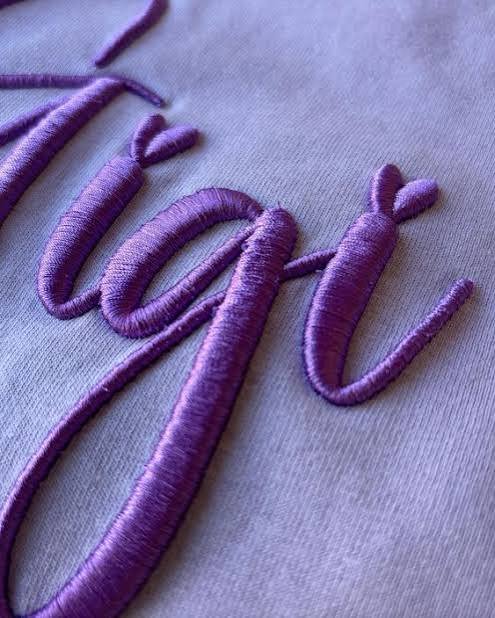
Foam needs wider satin columns, closed ends and a denser cover than flat embroidery. Thin strokes or small details may have to be restructured, and not every element can be puffed.
File format requirements
A standard order includes one machine format of your choice. Extra formats, an editable working file or machine-specific requirements are confirmed in the quote, so tell us your machine brand and model.
Design revisions
Revision requests are reviewed case by case. What changes and why (a new artwork version, a different size, or a technical correction) decides whether there is a charge, and we tell you before further work starts.
Production-specific requirements
Fabric (towels, performance knits, leather), appliqué, a hoop size or stitch-count limit, a thread type or a deadline can change how the file is built. Mention them up front so the quote covers them.