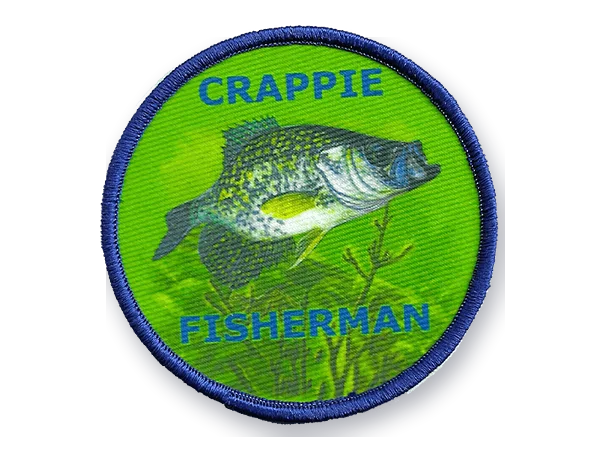
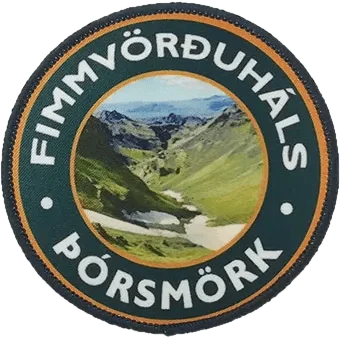
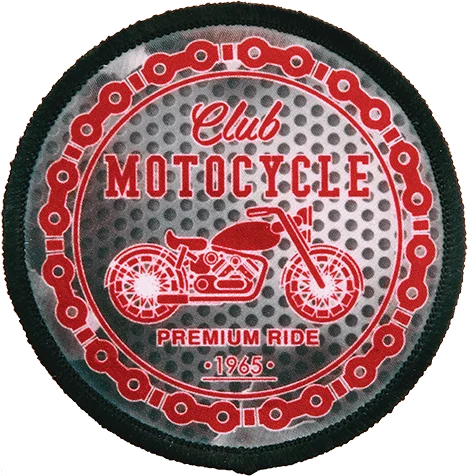
A printed patch puts the design onto fabric with ink instead of thread, so it can show full color, gradients and photographic detail. The surface is flat, without the raised texture of embroidery.
Sublimation is one way of printing a patch: heat and pressure transfer the dye into polyester fabric, so the color becomes part of the material rather than sitting on top. The terms "printed" and "sublimated" are often used interchangeably; we confirm the method that suits your design with the quote.
1Full-color print
2Smooth fabric surface
3Wrapped or cut edge
Cross-section diagram
Design
Designing for a printed patch.
01
Image quality
Because the print reproduces your artwork closely, send the highest-resolution file you have. Low-resolution images print soft.
02
Color
Screen colors and printed colors differ. Give us brand color references and check them on the proof.
03
Edge
A printed patch can still have a stitched edge. Tell us your preference and we confirm it with the quote.
Artwork & size
Artwork for a printed patch.
Artwork
Raster files such as a large PNG, JPG or PDF suit printing, and photographs can be used. Keep important details away from the very edge of the design, where the patch is finished.
BestPDFAIEPSSVG
Fine for a quoteJPGPNG
No artwork yet? Choose to send it later in the form and describe the design in your notes.
Backing & edges
Backings and edges, explained.
General guidance on how patches attach and how their edges are finished, so you can tell us what suits the way your patch will be used.
DiagramSew-on (no backing)Stitched onto the garment. The most secure choice for items that are washed often.
DiagramIron-on / heat sealA heat-activated adhesive on the back, applied with heat and pressure. It can loosen with frequent washing, so stitching around the edge adds security.
DiagramHook and loopUsually the hook side is on the patch and the loop side is sewn onto the garment or gear, so the patch can be removed and swapped.
DiagramPeel-and-stick adhesiveA peel-and-stick back for temporary use, such as events. It is not meant for washing.
Edge
DiagramMerrowed edgeA thick, rounded stitched edge wrapped around the patch. It suits standard shapes such as circles, ovals, squares and rectangles.
DiagramHeat-cut edgeThe edge is cut and sealed with heat, giving a flat finish. It suits more detailed outlines.
DiagramLaser-cut edgeCut with a laser, which can follow complex outlines closely.
Diagrams These are preferences: we confirm what is feasible for your patch with the quote.
Edge options apply to fabric patches. PVC patches are molded to shape, and leather patches are cut to shape.
How it works
How ordering works.
Sending the form is a quote request, not an order. Nothing is produced until you approve a digital proof.
01
Send your request
02
Review and quote
03
Digital proof
04
You approve
05
Production
06
Shipping
Written approval by emailPayment terms in your quote or invoiceEstimates quoted individuallyOrder terms
FAQ
Common questions
What is a sublimated patch?
A sublimated patch is printed by using heat and pressure to transfer dye into polyester fabric, so the color becomes part of the material. The surface stays flat and can show gradients and fine detail.
What is the difference between printed and sublimated?
Sublimation is a printing method that transfers dye into polyester fabric with heat and pressure. Other methods print ink onto the surface. Many makers use the terms interchangeably; we confirm the method for your design with the quote.
Can you print a photo on a patch?
Yes, printed patches suit photographs. Send the highest-resolution image you have.
Printed or embroidered?
Choose printed for gradients, photos and many colors. Choose embroidered for a raised, stitched look.

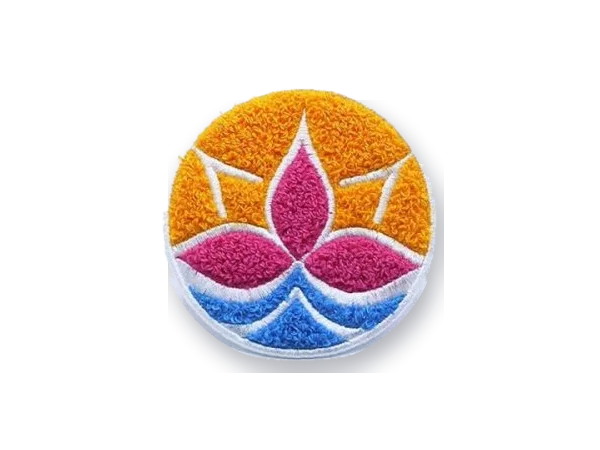
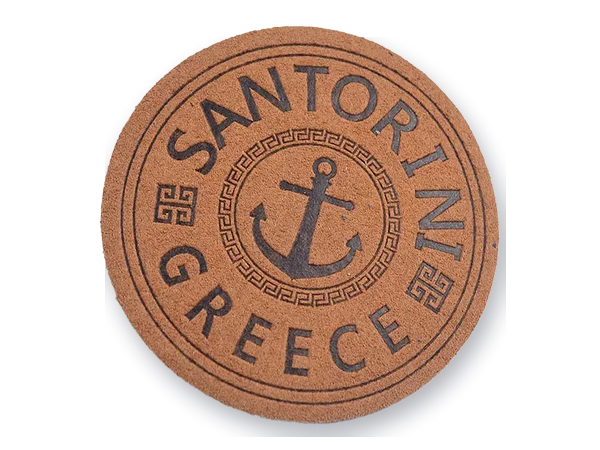
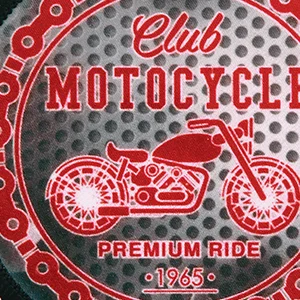
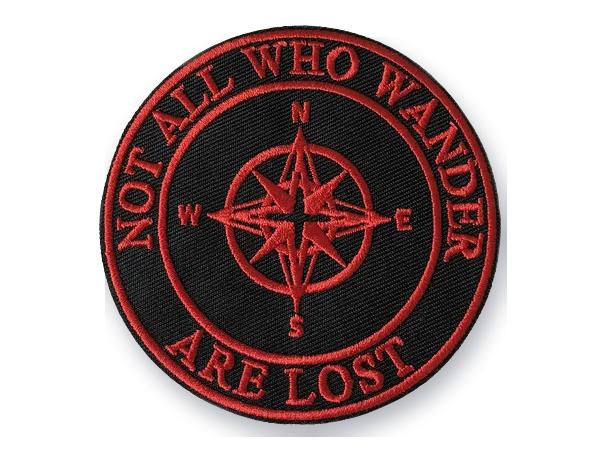 Embroidered patches
Thread stitched onto a fabric base, for the classic raised, textured patch.
LogosCrestsUniforms Explore
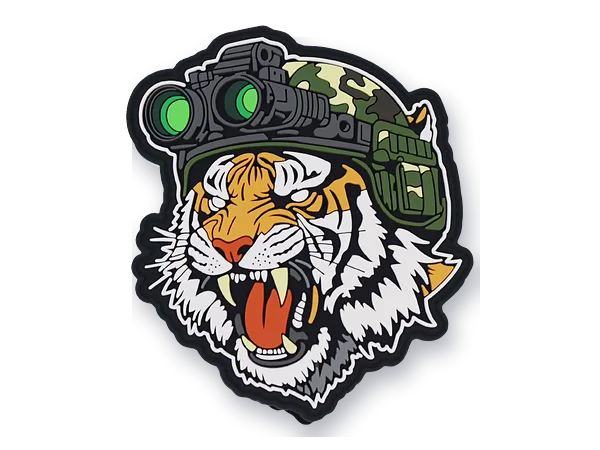 PVC patches
Soft molded PVC with raised, layered details and crisp color areas.
Tactical gearBagsOutdoor and sports equipment Explore
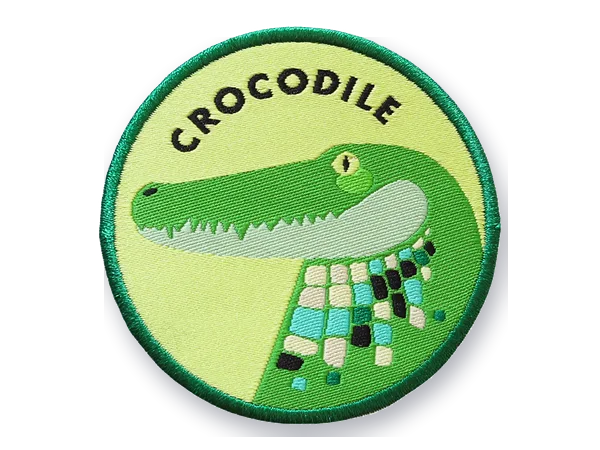 Woven patches
Thin threads woven flat, for fine detail and small lettering.
Detailed logosSmall textLabels and lightweight garments Explore