
Monogram Digitizing Service
Letters that belong together.
Monogram digitizing balances letter hierarchy, overlap and stitch direction so the initials stay elegant without becoming crowded or bulky.
- Interlocking letter planning
- Personalized layouts
- Major machine formats
- 01 Initials
- 02 Layout
- 03 Interlock · order
01–03 sample initials · illustration
- Three-letter
- Single initial
- Script
- Block
- Towels
- Bags
- DST
- PES
- EXP
Why monograms are different
When letters overlap,
stitch order matters.
A monogram looks simple until the letters overlap. We digitize the layering, letter order and fabric support so each initial sits where it should.
A monogram typed in a decorative font is a picture of letters. Sewn, every letter is thread laid on top of the last, so where the letters cross, the stitches stack.
If overlap and sequence are not planned, an interlocking monogram can sew bulky, misaligned, hard to read or overly dense, and the over-under pattern of the design disappears.
Graphic layout
- Perfect vector overlapsLetters can cross anywhere on screen
- Layered lettersEach letter sits on its own layer
- Sharp intersectionsCrossings with no physical thickness
- No stitch buildupOverlaps cost nothing in a drawing
Embroidery-ready monogram
- Controlled overlapStitches underneath are cut back at crossings
- Readable hierarchyThe intended initial leads the set
- Planned sequenceAn order built around the actual overlaps
- Balanced satinWidth and density matched across letters
- Clean intersectionsA clear gap where one letter passes another
Anatomy of a monogram
A monogram is more than three letters.
Hierarchy, overlap, spacing, direction, order and balance all decide whether a set of initials looks intentional. Select a part to see what changes.
-
Traditional layouts often emphasize one initial, usually by making it larger in the center, but the intended style should always follow the customer's design. We build the hierarchy you send.
-
Where letters cross, stitches can build up into a hard, raised knot. Too much overlap crowds the set; controlled overlap cuts the stitches underneath back so only the top letter sews at the intersection, keeping the crossing flat.
-
Side letters are placed against the center letter, not just next to it. Visual spacing that works in a drawing may need embroidery-specific adjustment so letters neither crowd nor drift apart once they become thread.
-
Satin turns with each stroke and curve. The angle affects the letter's shape, how it catches light, how well it covers and how clearly one overlapping letter separates from the next.
-
For woven styles we decide which letter passes over at each crossing, then break letters into segments so the pattern alternates the way the artwork shows. Sequence is planned around the actual overlap and design; there is no single order that suits every monogram.
-
A mathematically centered design can still look visually off if the letter shapes carry different visual weight. Narrow and wide letters are balanced by eye, around an optical center.
Styles
Same initials.
Different personality.
Each style asks for different stitch planning: where letters touch, how thin strokes hold and how much detail the size allows.
-
Classic serif
Contrast between thick and thin strokes; hairlines and serifs are strengthened so they hold in thread.
-
Script
Flowing joins and fine entry strokes need careful satin widths and direction to stay smooth.
-
Interlocking
Letters pass over and under each other, so crossings and sequence are planned letter by letter.
-
Block
Even, sturdy strokes that tolerate smaller sizes and textured fabrics well.
-
Single initial
One letter carries the whole mark, so its shape and satin finish do all the work.
-
Ornamental / frame
Frames, dots and leaves add stitches around the letters; detail is sized to what the finished size can hold.
Illustration The same sample initials in six treatments.
Interlocking or separate
Two ways to join the same initials.
Neither is universally better. They look different, sew differently and suit different products.
Interlocking
- Letters overlap and weave
- More sequence planning
- Intersection density matters
Separate / spaced
- Cleaner separation
- Little or no overlap
- A lighter, more open feel
Illustration Choose the look; we plan the stitches for it.
Initial order
Which initial goes in the middle?
It depends on the person, the occasion and the style. These are common arrangements, not rules.
-
Traditional, one person
Some traditional three-letter monograms place the surname initial larger in the center, with first and middle on either side.
-
In reading order
Equal-size initials in first, middle, last order, common in block and stacked styles.
-
Couples
A shared initial in the center with each partner's first initial on either side. Conventions vary.
-
Brand or custom
Company initials, family crests and personal styles follow their own arrangement.
If you already have the layout, send it exactly as you want it. We sew the order you give us.
Upload ArtworkScale and application
The same monogram changes with the product.
One design on four products can need four different files.
-
Towel
Larger and on pile: the letters need support so they sit on the loops rather than in them.
-
Bag
Canvas and heavier fabrics take fuller satin and more decorative detail.
-
Left chest
Much smaller, so overlaps open up and fine detail is simplified.
Left Chest Digitizing -
Cap
A curved, structured front changes how letters are placed and sewn.
Cap & Hat Digitizing
Why the file changes
- Size
- Fabric
- Surface
- Detail tolerance
A monogram built for a bath towel will not sew cleanly at chest size just by scaling it down. For very small initials, see small lettering digitizing.
Towels and pile fabrics
Monograms on textured fabric.
Towels are one of the most common places for a monogram, and one of the least forgiving surfaces.
- Thread can sink into pileLoops close over thin satin, so letters can look broken or faint.
- Underlay matters moreA supporting base under the letters helps flatten the loops before the satin sews.
- Production decisionsTopping and backing are chosen during production, on your machine and towel.
- Planned for the applicationTell us it is a towel and we digitize with that surface in mind.
We supply the file; stabilizer, topping and hooping are set by whoever sews it.
One letter or three
Single initial or three-letter set.
They are different builds, not the same file at a different size.
Single initial
- A bold focal mark
- More room for decorative detail
- Shape and satin finish carry the design
Three-letter
- Hierarchy becomes important
- Overlap and sequence need planning
- Less space for each letter
Illustration This is why one monogram file cannot simply be shrunk into every format.
Before we digitize
Six things we ask. "Not sure" is fine.
- 01
Initials
Exactly which letters, with any capitals or lowercase you want.
- 02
Order
What order they should appear in, and which one, if any, is larger.
- 03
Style
Script, serif, block, interlocking or custom. A reference image helps; "not sure" is fine.
- 04
Application
Towel, bag, polo, cap or something else. Not sure yet? Tell us the options.
- 05
Finished size
How large the monogram will sew. Different sizes can need different files.
- 06
Fabric
If you know it. Terry, linen and canvas each change the plan.
Service snapshot
Monogram Digitizing at a glance
- Best for
- Personalization, towels, bags, apparel and gifts
- Common styles
- Script, serif, block and interlocking
- Main challenges
- Overlap, hierarchy, satin direction and spacing
- Letter order
- As you specify
- Formats
- DST, PES, EXP, JEF and other supported formats
- Artwork
- An existing monogram, or initials plus a style reference
- Turnaround
- Confirmed with your quote
Formats you can request
Machine formats
- DSTTajima
- PESBrother / Baby Lock
- JEFJanome
- EXPMelco / Bernina
- VP3Husqvarna / Pfaff
- XXXSinger
- HUSHusqvarna
- EMBEditable working file (ask first)
A standard order includes one machine format of your choice. Additional formats, and the editable EMB working file, are not automatic: we confirm availability and any charge with your quote.
Not sure which format? Monograms are often sewn on home and semi-commercial machines as well as commercial heads. PES, JEF and VP3 carry thread colors; DST and EXP suit multi-head production. We'll recommend the correct file for your machine.
Converting a file you already haveHow orders run
How monogram orders run.
-
01
Send
Send initials or artwork
The letters, any existing monogram, or a style you like.
-
02
Confirm
Confirm order, style and application
We check the letter order, size and product before building anything.
-
03
Build
We build the monogram stitch plan
Hierarchy, overlaps, satin direction and sequence, set for the fabric.
-
04
Deliver
Receive the machine-ready file
The finished monogram, or individual letters if you plan to combine them, in your chosen machine format with a color and stitch sheet.
Related samples
See the initials in thread.
-
Monogram · Lettering
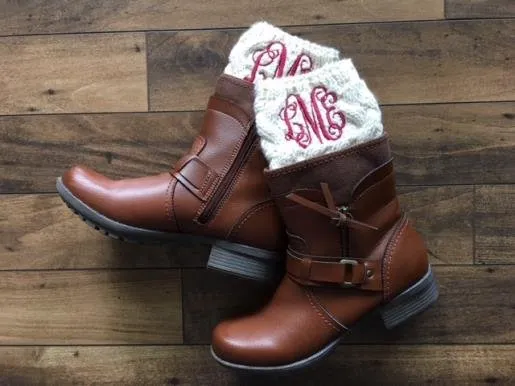
Pink sock monograms tucked in boots
- Placement
- Monogram
Have a design like this? Send it with the size and placement for a free quote.
Get Free Quote -
Monogram · Lettering
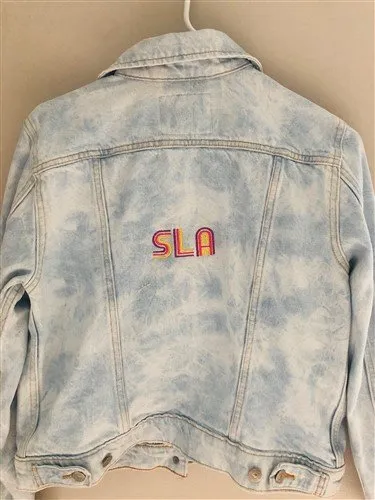
Denim jacket back SLA block letters
- Placement
- Monogram
Have a design like this? Send it with the size and placement for a free quote.
Get Free Quote -
Monogram · Lettering
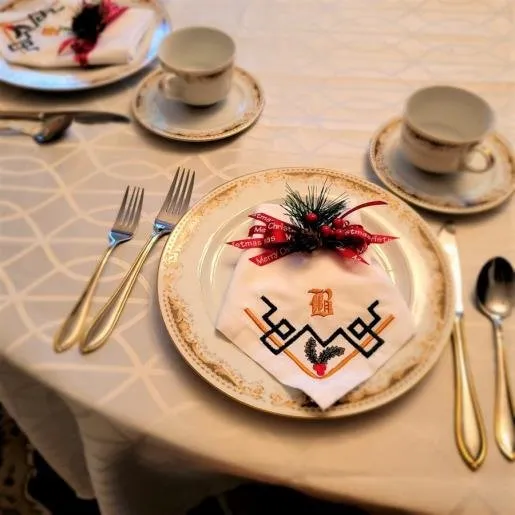
Holiday napkin letter B place setting
- Placement
- Monogram
Have a design like this? Send it with the size and placement for a free quote.
Get Free Quote -
Monogram · Lettering
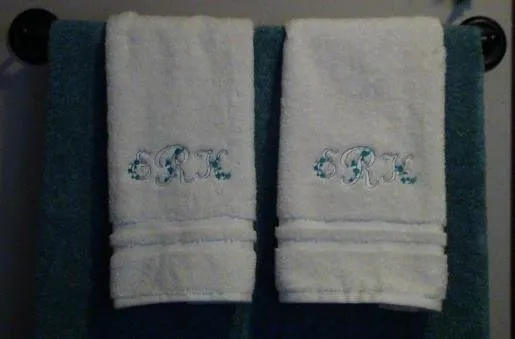
Twin towels with ERN
- Placement
- Monogram
Have a design like this? Send it with the size and placement for a free quote.
Get Free Quote -
Monogram · Lettering
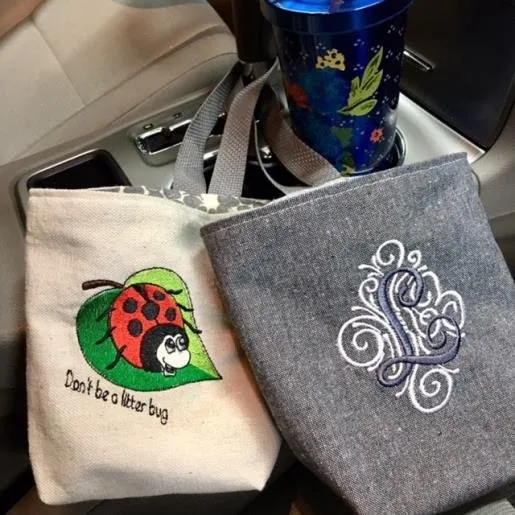
Ladybug tote and script LS bag
- Placement
- Monogram
Have a design like this? Send it with the size and placement for a free quote.
Get Free Quote
Initials ready?
Send the letters.
Tell us the style.
We'll review the order, overlap and application before building the stitch plan. Only have the initials? Send them with a style reference.
Questions
Monogram questions.
What people ask before sending initials. Anything else, ask with your quote.
All questions01What is monogram digitizing?
Turning a set of initials into an embroidery file, with the letter hierarchy, overlaps, satin direction and stitch order planned so the monogram sews balanced and clean.
02Which initial goes in the center of a monogram?
There is no single rule. A common tradition for one person puts the first-name initial on the left, the last-name initial larger in the center and the middle initial on the right. When all three letters are the same size, they are usually read left to right: first, middle, last. Couples often use one partner's first initial, the shared last-name initial in the center and the other partner's first initial. Retailers describe these as traditions, not requirements, so we sew the letters in the order you send and point out anything that looks swapped.
03Can you create a monogram from just initials?
Yes. Send the letters, the order and a style reference, such as a photo of a monogram you like, and we build the layout and stitch plan from that.
04Can you digitize script monograms?
Yes. Script needs care with joins and fine entry strokes, so satin widths and direction are planned for the size and fabric it will sew on.
05Can overlapping letters become too dense?
Yes, if every letter sews in full where they cross. We cut back the stitches underneath at each intersection so only the top letter sews there, which keeps crossings flat.
06Can the same monogram file be used on towels and shirts?
Often not. A towel monogram is usually larger and needs support for the pile; a shirt monogram is smaller and lighter. See left chest digitizing for chest-sized work.
07Do towels need different digitizing?
Usually. Terry pile can swallow thin stitches, so very fine strokes are avoided and the letters are planned to sit on a base that holds the pile down. In production a water-soluble topping is commonly used on top, with a tear-away or cut-away backing underneath (guides differ on which). Placement depends on the towel; one common reference for bath towels is roughly 4 inches above the lower border, centered.
08Can you digitize a single initial?
Yes. A single initial can carry more decorative detail, such as a frame or flourish, because it has the space to itself.
09What artwork or information should I send?
The initials, their order, the style or an existing monogram, the product, the finished size and the fabric if you know it.
010Which machine formats do you provide?
DST, PES, EXP, JEF and other supported formats. Tell us your machine and we deliver in that format.
011Can you resize an existing monogram file?
Small changes are sometimes fine, but large size changes alter density and overlap, so a monogram is usually rebuilt for the new size. For very small initials, see small lettering digitizing.
012What are common monogram mistakes?
Letters sewn in the wrong order, thin satin strokes that sink into towel pile, overlapping letters stacked so densely that they turn stiff, and placement measured from the wrong edge of the towel. Confirm the letter order and the size before ordering, and tell us the item so the file is built for it. For very small initials, see small lettering digitizing.
013How is monogram digitizing priced?
Each monogram is quoted before any work starts. The quote depends on the style (simple block initials take less work than interlocking script), the size, how many letter sets you need, and the item it will sew on. See pricing and policies.
Related services
Built for a specific job.
-
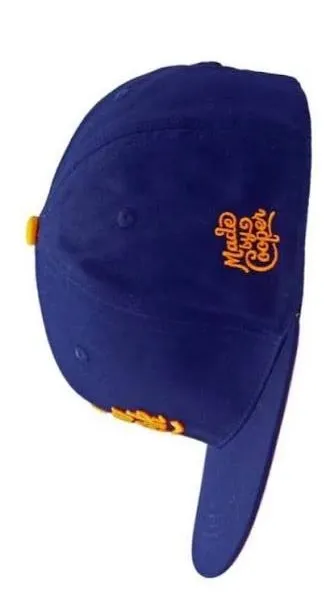 Small Lettering
Readable tiny text through adjusted density, light underlay and stitch types chosen per letter size.
-
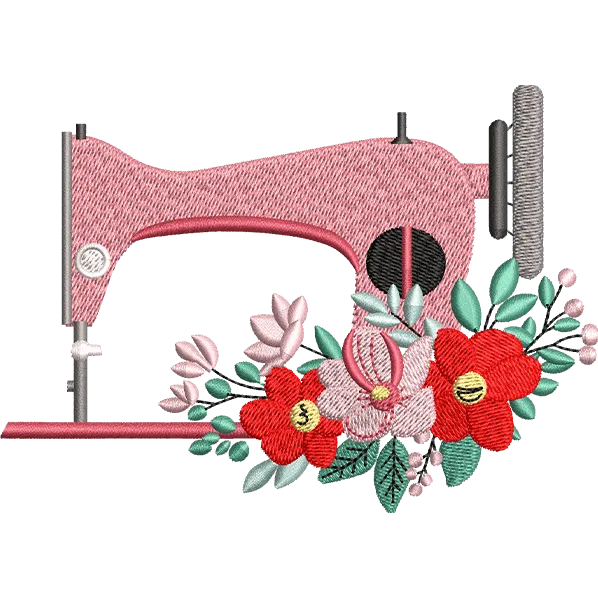 Left Chest Digitizing
Small-format files tuned for polos, piqué and knits, with lettering that stays sharp at chest size.
- Illustration Logo Digitizing Brand marks simplified for thread and built as size-specific versions that sew the same every time.
-
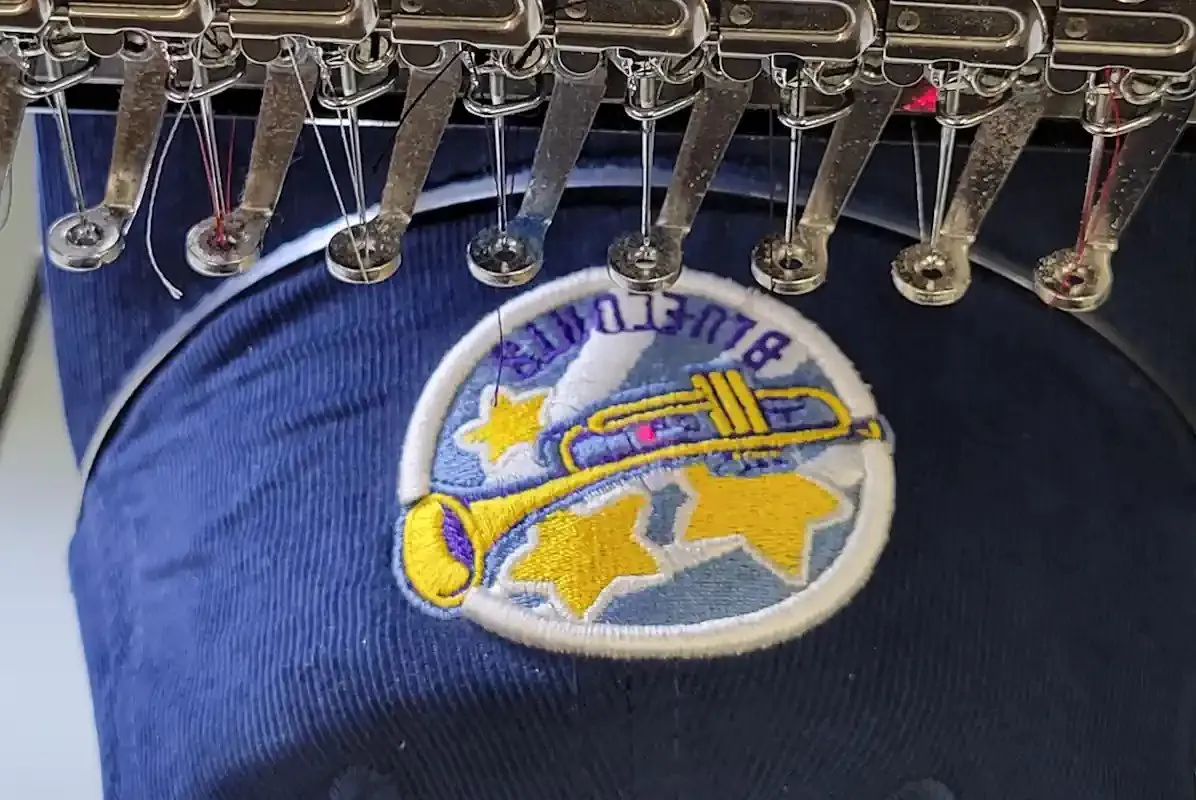 Cap & Hat Digitizing
Center-out sequencing and curved-surface compensation built specifically for headwear.
Free quote · No payment to ask
Built to interlock.
Ready to stitch.
Upload the design, tell us where it needs to sew, and we'll take it from there.