Many products, one deadline
A single event order may cover totes, towels and caps at once. Each item needs its own file, and all of them need to be ready together.
Ready when you are. Send your artwork today — we'll take care of the stitches.
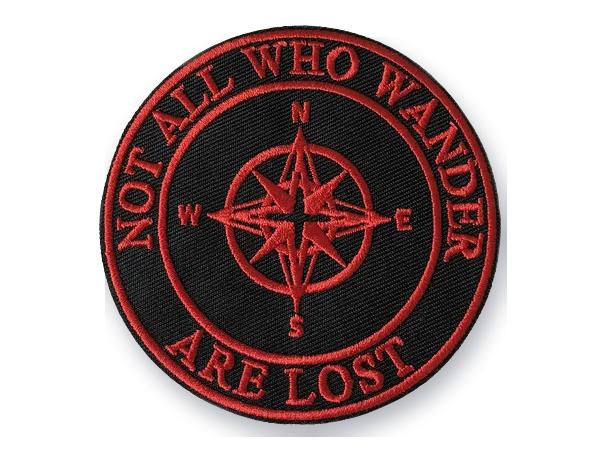 Embroidered patchesRaised, textured thread
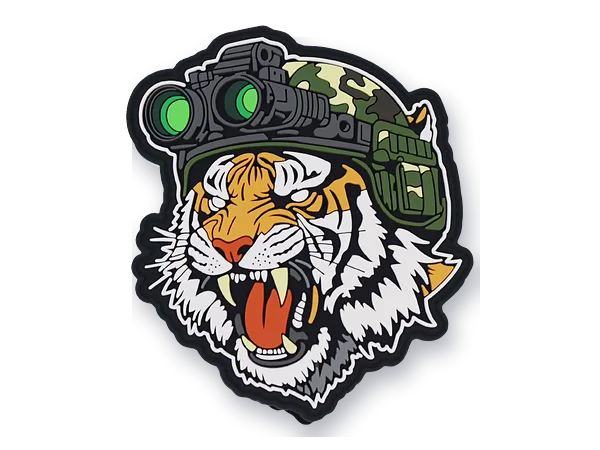 PVC patchesSmooth, flexible and dimensional
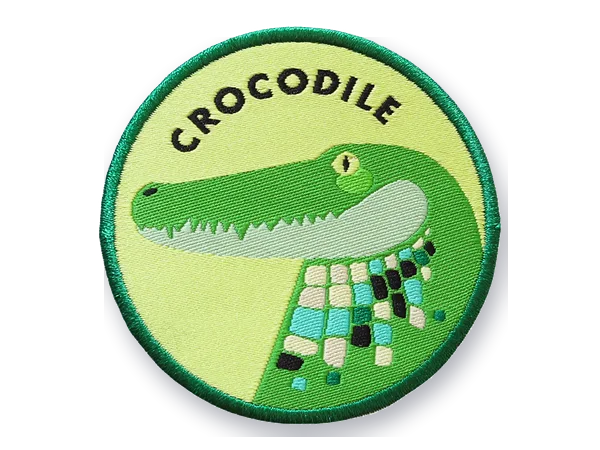 Woven patchesFlat, smooth and thin
 Chenille patchesSoft, fuzzy and raised
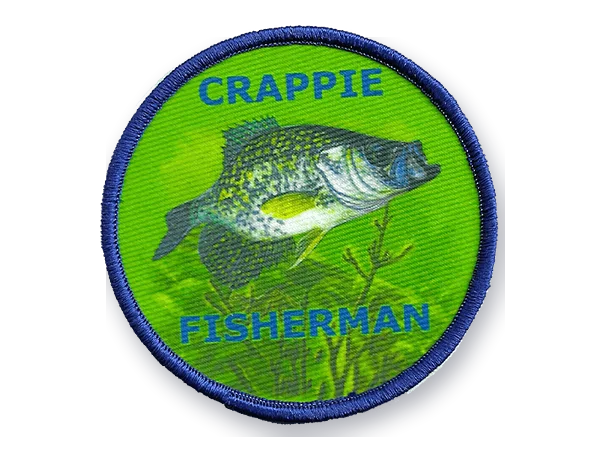 Printed / sublimated patchesFlat and smooth, full color
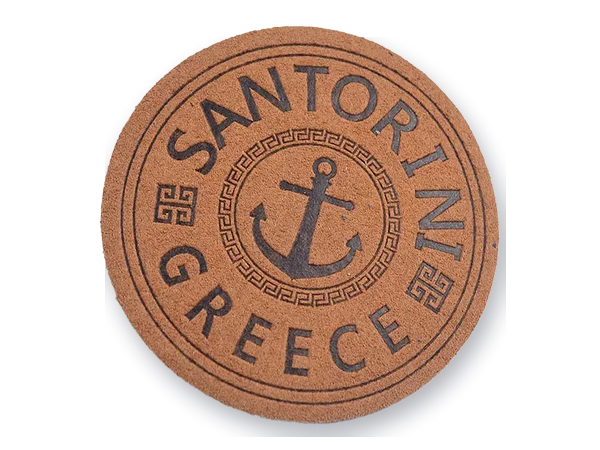 Leather patchesNatural, premium leather look
Digitizing for Promotional Products
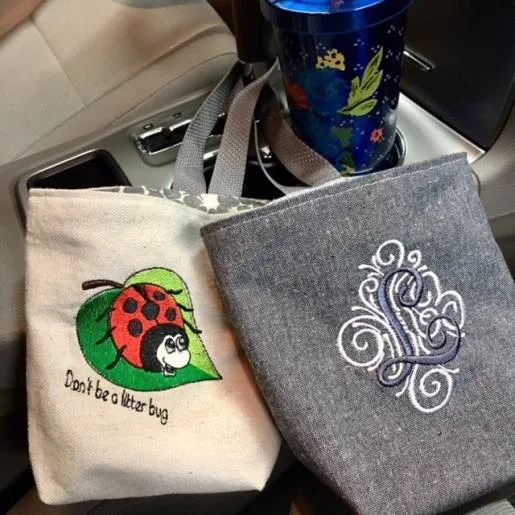
Promo orders put a single client logo on very different items. We build a version for each product so a towel, a tote and a beanie all sew cleanly from the same artwork.
Who this is for
This page is for promotional product distributors, event merchandise suppliers and decorators handling corporate giveaways and branded gifts. A typical request arrives with one logo, often a low-resolution file from the end client, and a list of products that each have their own size limits, fabrics and hooping methods.
What gets in the way
A single event order may cover totes, towels and caps at once. Each item needs its own file, and all of them need to be ready together.
Client logos often arrive as small JPGs pulled from a website or email signature. They need cleanup or redrawing before they can be digitized accurately.
Terry loops, thick fleece, woven canvas and ribbed knit each respond differently. A file tuned for one will sink, pucker or stiffen on another.
Bag pockets, towel hems and beanie cuffs leave limited space. The logo has to be laid out to fit, not just scaled down.
Garments & products
How we work with you
If the client artwork is low quality, we start by cleaning it up or redrawing it as vector art. From there we create a master embroidery design and build each product version from it, with sizes matched to the placement areas you specify.
Each file is labeled with the product, finished size and stitch count, so your production team can match files to items quickly when a mixed order hits the floor.
Brand marks simplified for thread and built as size-specific versions that sew the same every time.
Learn moreBlurry logos redrawn by hand as clean, scalable AI, EPS, SVG and PDF files.
Learn moreCenter-out sequencing and curved-surface compensation built specifically for headwear.
Learn moreStitch files with planned underlay, density and pathing for the fabric you sew on.
Learn moreOn a supplier-decorated order, the supplier's terms set the limits the logo has to fit, and they differ from supplier to supplier and product to product. Before the logo is sized, collect for each item:
As an example of what to look for, Hit Promotional Products' embroidery information (checked October 2026) lists separate color and stitch allowances for bags, towels, blankets and caps. Terms like these are revised over time, so work from the supplier's current page or your rep rather than an older quote, and tell your digitizer which product in the order has the tightest limit.
Many suppliers will digitize the logo themselves for a setup or tape charge, and many also accept a file you supply. What they accept varies, so check before ordering files:
If a supplier's machines read a different format from the one you have, see embroidery file conversion.
Embroidery thread comes in fixed dyed colors, so a client's Pantone color may have no exact thread equivalent. Thread maker Madeira notes that an authorized Pantone match is not always available, and PCNA's FAQ says Pantone matching is not guaranteed on dark-colored items. Agree the closest thread colors with the client before production, and keep the thread brand and color numbers with the order so other suppliers and later runs can follow them.
On a finished bag, the usable area is often limited to what the embroidery machine can reach. SanMar's decorator guidance notes that clamping systems help embroiderers get into small pockets and sew through thick bag flaps, and that newer machines with smaller sewing arms reach pockets more easily than older ones. A logo that fits the bag's printed imprint area may still not fit what can be hooped or clamped, so ask the decorator for the sewable area on each bag style, such as the front pocket, the flap or the main panel, before the design is sized.
"Proof" can mean different things on a promotional order, and they check different things:
Ask which of these each supplier and decorator provides, and at what cost. Some suppliers, Hit among them, start production only after written proof approval, so build approval time for every product into an event schedule.
Suppliers such as Hit and PCNA keep artwork on file only for periods set by their own policies, which differ and change. Hit's published terms also note that an exact imprint and product color cannot be guaranteed on repeat orders. Note which supplier sewed each product and from which file, so a returning campaign or a switch to another supplier starts from what the client approved. For products where embroidery is not offered, the same logo is needed as print artwork; see vector art.
Supplier names and terms are examples from their published pages, checked October 2026. We have no affiliation with these suppliers, and their terms and retention policies are their own; check the current version with the supplier.
Quoting a mixed promotional order? Send the client logo with the product list and each supplier's embroidery area or limits for a review and quote. Upload client logo
FAQ
Usually, yes. If the image is too blurry to trace accurately, we redraw it as vector art first. A cleaner source always leads to a cleaner embroidery file.
Yes. List each product and the size or placement area for it, and we will build a separate file for each so they all sew properly.
Terry loops push up through stitches and hide detail. A towel file adds a knockdown layer or heavier underlay so the logo sits on top of the pile.
Tell us the limit with the finished size. At review we will say whether the logo is likely to fit within it at that size, or what would need to be simplified. The final stitch count depends on the finished build, so check it against the supplier's terms before ordering.
Free quote · No payment to ask
Upload the design, tell us where it needs to sew, and we'll take it from there.