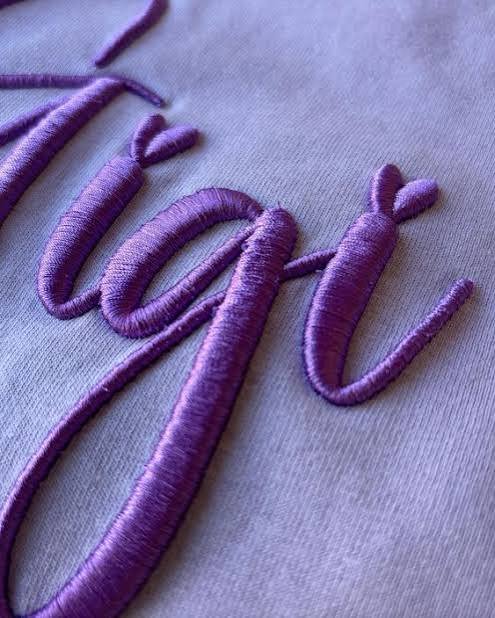
Fabric range
A single program might include piqué polos, oxford shirts, heavy canvas, softshell and hi-vis polyester. A file tuned for one of them will under- or over-stitch the others.
Ready when you are. Send your artwork today — we'll take care of the stitches.
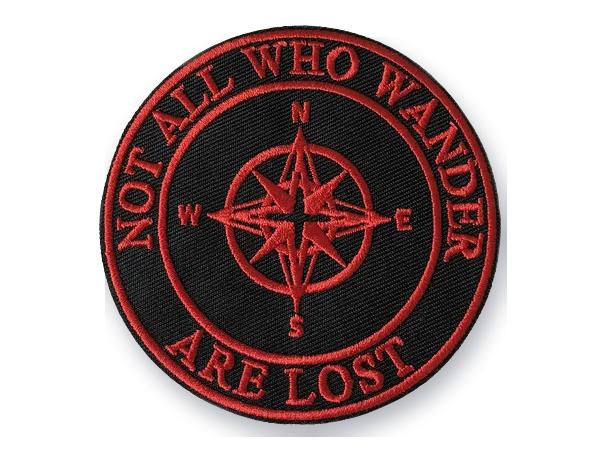 Embroidered patchesRaised, textured thread
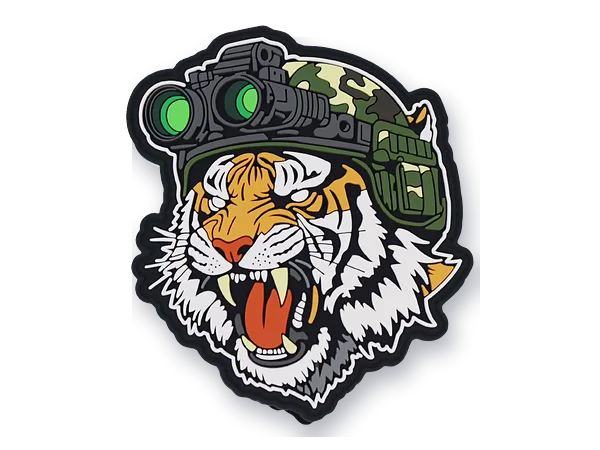 PVC patchesSmooth, flexible and dimensional
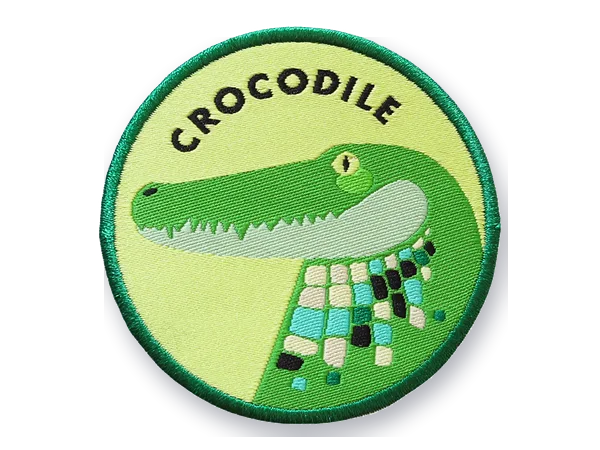 Woven patchesFlat, smooth and thin
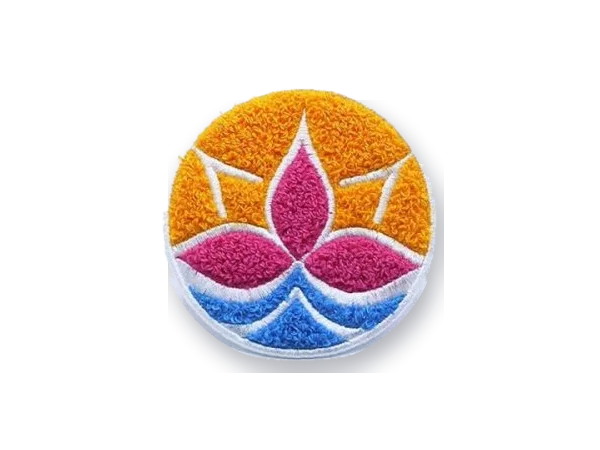 Chenille patchesSoft, fuzzy and raised
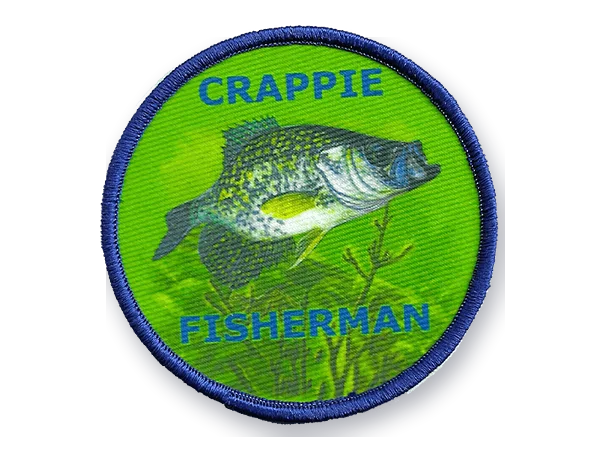 Printed / sublimated patchesFlat and smooth, full color
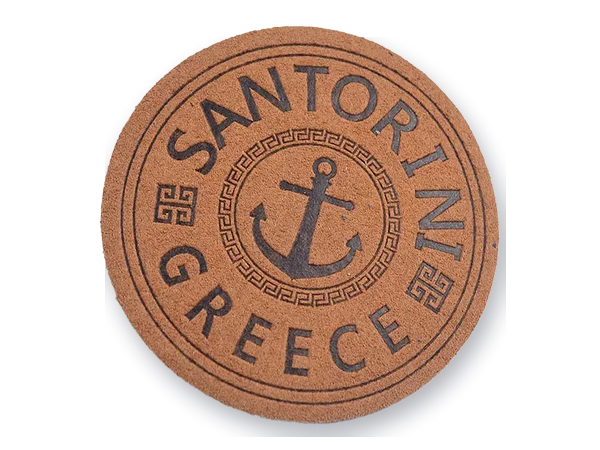 Leather patchesNatural, premium leather look
Digitizing for Corporate & Workwear
Uniform programs put the same company mark on shirts, jackets and safety gear. We build a version for each fabric so the logo looks identical whether it is on a dress shirt or a duck canvas coat.
Who this is for
This page is for uniform suppliers, promotional distributors and decorators managing corporate apparel programs, along with workwear shops serving trades, logistics, hospitality and field service companies. You are sewing one client logo on a wide spread of garments, often across several locations or vendors, and the client expects it to look the same everywhere.
What gets in the way
A single program might include piqué polos, oxford shirts, heavy canvas, softshell and hi-vis polyester. A file tuned for one of them will under- or over-stitch the others.
When different decorators sew the same logo, small differences in their files add up. A controlled master set keeps color order and sizing aligned.
Corporate marks often carry a tagline or registered symbol. At 3.5 to 4 inches wide, some of that text is too small to sew clearly.
Softshell and laminated fabrics can lose water resistance if heavily perforated, and hi-vis panels have their own placement rules set by the client.
Garments & products
How we work with you
We build one approved master design, then produce fabric-specific versions from it with the same color order and thread assignments. Each version is named clearly so production teams can match the file to the garment without guessing.
If a logo includes details too small for chest size, we propose a simplified embroidery version for your client to approve. That version becomes the standard for every vendor sewing the program.
Small-format files tuned for polos, piqué and knits, with lettering that stays sharp at chest size.
Learn moreBrand marks simplified for thread and built as size-specific versions that sew the same every time.
Learn moreCenter-out sequencing and curved-surface compensation built specifically for headwear.
Learn moreStitch files converted between DST, PES, JEF, EXP, VP3 and more, and checked before delivery.
Learn moreA uniform program rarely arrives all at once. Spring polos come first, and winter jackets, caps or safety vests follow months later. Asking the client for the full garment list at the start, including items planned for later seasons, lets the file set be planned once:
The US consensus standard for high-visibility safety apparel is ANSI/ISEA 107. It allows logos and identification panels, but it sets strict requirements for where they go, so that identifying the worker does not compromise the garment's visibility. Conformity is declared by the garment manufacturer for each model, and the garment's label shows its type and performance class.
How the file is built for stretchy performance polos is covered on our left chest page. Production matters just as much. Guidance from thread maker Madeira, for example, recommends hooping performance fabric only firmly enough to hold it, because fabric stretched in the hoop can pucker once it is released, along with a low-profile cutaway backing and ballpoint needles for knits. Treat this as a starting point and confirm the setup on the actual garment, because fabrics and machines vary.
Ask how the uniforms will be washed. Madeira's guidance favors polyester thread where garments are laundered with bleach. Thread type is the decorator's choice, but it belongs in the program's records so every location sews with the same.
Fast Embroidery prepares embroidery files and vector artwork. We do not supply garments or sew them, so your decorator or uniform supplier handles production. Most programs run more smoothly when:
Planning files for a uniform program? Send the logo, the garment list and the placements you need for a review and quote. Upload logo
FAQ
Yes. We digitize separate versions with density and underlay tuned for each fabric, while keeping the shapes, sizes and colors aligned so they read as the same logo.
We can enlarge it slightly, switch it to a cleaner stitch type, or drop it from small placements and keep it on larger ones. We will recommend an option for you or your client to approve.
We keep stitch counts and density low, avoid stacking multiple fill layers and use an underlay suited to bonded fabric. We also recommend testing on a sample garment before a full run.
Yes, on request. A standard order includes one machine format; list the other formats your vendors run, such as DST, EXP or PES, and we confirm availability and any charge in the quote. Every format comes from the same build, and the delivered files can be passed to each vendor.
Free quote · No payment to ask
Upload the design, tell us where it needs to sew, and we'll take it from there.