
Custom Digitizing
Complex artwork, planned stitch by stitch.
For detailed illustrations, mascots and unusual designs that need a layer-by-layer plan rather than a standard logo build.
- Illustration and mascot work
- Mixed stitch techniques
- Layer-aware sequencing
- Illustrations
- Mascots
- Detailed one-off designs
Why complex art is different
Detailed art needs a plan
before it needs stitches.
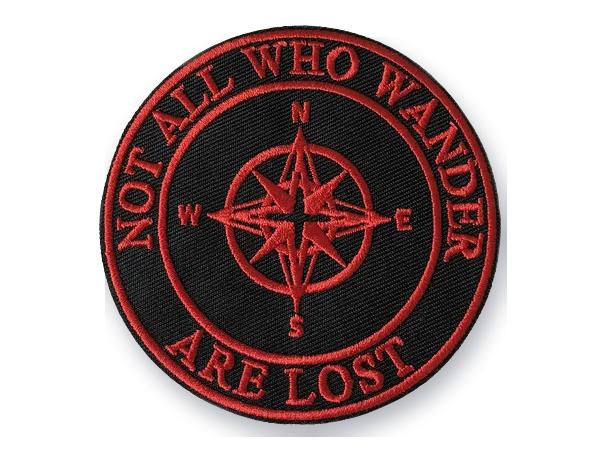
Illustrations, mascots and unusual artwork do not fit a standard logo workflow. We break the artwork into layers, choose a technique for each one and build a file that keeps the character of the original.
A complex illustration can contain dozens of overlapping shapes, soft shading and fine linework. Stitch all of it at full density and the design becomes a stiff, heavy patch that puckers the garment and runs for far too long.
Custom digitizing is mostly about deciding what to keep, what to merge and what to stack. Those choices determine whether the finished piece looks like the artwork or like a rough copy of it.
Unplanned file
- Stiff and heavyDesigns that feel like cardboard on the garment
- Blotchy shadingShading that sews as blotchy, uneven patches
- Lost lineworkFine linework lost under heavy fills
- Long run timesStitch counts and run times far higher than expected
Layer-planned file
- Layer planningCovered layers cut back so stitches do not pile up
- Soft blendsTonal areas built at reduced density
- Linework on topFine lines sewn late, over the fills
- Weight managementLighter or textured fills on large areas
The techniques
How we approach one-off artwork.
Every custom job starts with a breakdown of the artwork. These are the techniques we draw on once the plan is set.
-
We decide which shapes sit underneath and which sit on top. Lower layers are often cut back where they are covered, so stitches do not pile up three or four deep.
-
A single design may combine tatami fills, satin highlights, run-stitch detail, motif fills and open textured fills. Each area gets the technique that suits its size and look.
-
Tonal areas are built with gradient density fills or overlapping thread colors at reduced density, so transitions look soft without becoming too thick.
-
Fine lines are added late in the sequence as single or triple run stitches so they sit cleanly on top of fills instead of sinking into them.
-
Large background areas may use lighter or textured fills to reduce stitch count and keep the design soft enough to drape with the garment.
Types of custom work
What custom digitizing covers.
- 01
Illustrations & mascots
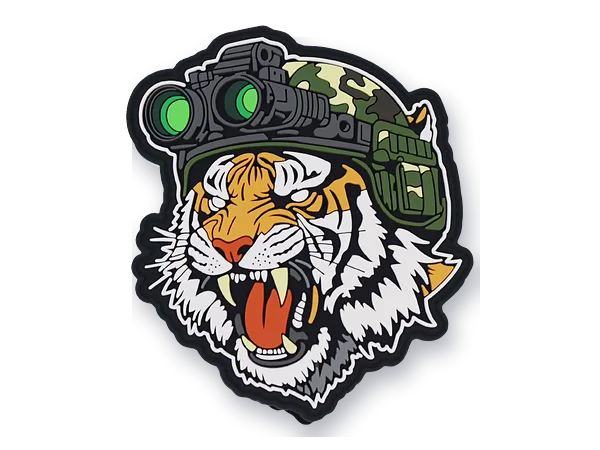
Character art usually needs simplified shading and bold outlines. We keep facial features and key expressions clear, since those are what people notice first.
- 02
Textured fills
Fur, wood grain, water or fabric textures can be suggested with stitch direction changes and motif fills instead of extra colors.
- 03
Combined techniques
Some designs mix standard embroidery with appliqué, 3D puff or open fills. We plan the order so each technique sews at the right stage.
- 04
Design input
If the artwork needs reworking to stitch well, we suggest specific changes and show you before the final file is produced.
- 05
Photos and JPG/PNG images
Turning a photo or a JPG or PNG image into an embroidery file is handled by our image to embroidery service, which reviews what is realistic at your size first. Custom digitizing is for artwork that has already been drawn, such as illustrations, mascots and unusual designs.
Service snapshot
Custom Digitizing at a glance
- Best artwork
- High-resolution or vector source files
- Thread colors
- Reduced to a practical palette, discussed up front
- Fill types
- Tatami, gradient, motif, open and textured fills
- Common formats
- DST, PES, EXP, JEF or another format: one included; extras or EMB on request, confirmed with your quote
Formats you can request
Machine formats
- DSTTajima
- PESBrother / Baby Lock
- JEFJanome
- EXPMelco / Bernina
- VP3Husqvarna / Pfaff
- XXXSinger
- HUSHusqvarna
- EMBEditable working file (ask first)
A standard order includes one machine format of your choice. Additional formats, and the editable EMB working file, are not automatic: we confirm availability and any charge with your quote.
Not sure which format? Complex designs are easier to edit later from a working file. An editable EMB is not included automatically, so ask about it with your quote if you expect changes. We'll recommend the correct file for your machine.
Converting a file you already haveHow orders run
From upload to delivery.
-
01
Upload
Send the artwork
Upload the highest-quality file you have, plus final size, garment and any must-keep details.
-
02
Plan
Breakdown and advice
We map the layers and techniques, and flag areas that need simplifying or a different size to work.
-
03
Digitize
Layered digitizing
The design is built back to front, with cut-backs, blends and detail placed in a planned sequence.
-
04
Deliver
Preview and files
You receive a stitch preview, the machine file in your chosen format and a color and stitch sheet. If something needs adjusting after your test sew-out, revision requests are reviewed case by case.
Related samples
Illustrated work, sewn.
-
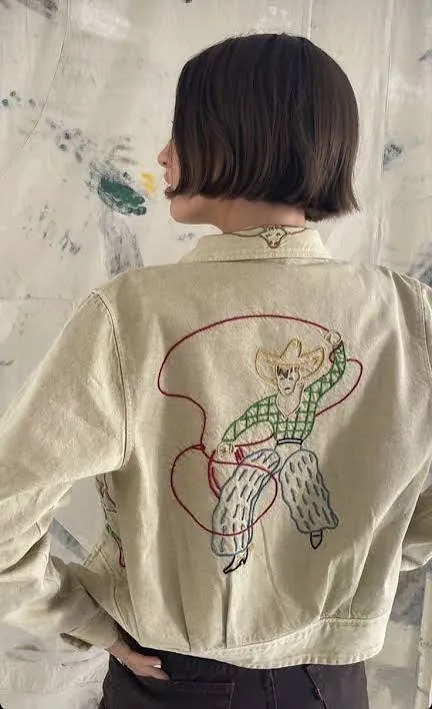
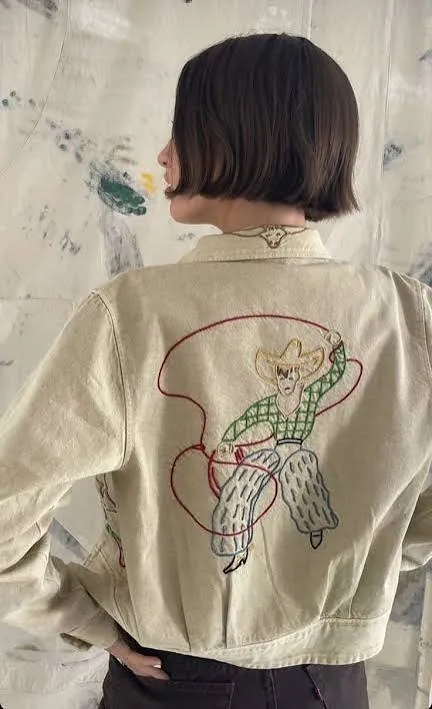
Jacket Back
Cowboy rope scene jacket back on a denim jacket
- Placement
- Jacket back
Have a design like this? Send it with the size and placement for a free quote.
Get Free Quote -
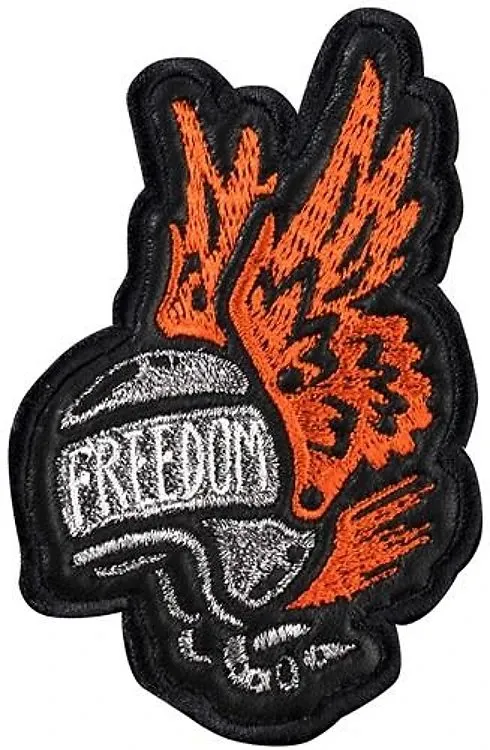
Patches
Freedom helmet flame patch
- Placement
- Patch
Have a design like this? Send it with the size and placement for a free quote.
Get Free Quote -
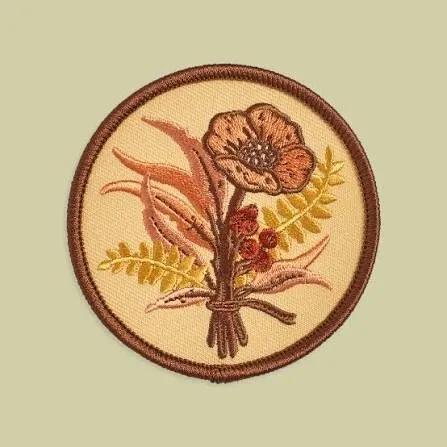
Patches
Floral bouquet patch
- Placement
- Patch
Have a design like this? Send it with the size and placement for a free quote.
Get Free Quote -
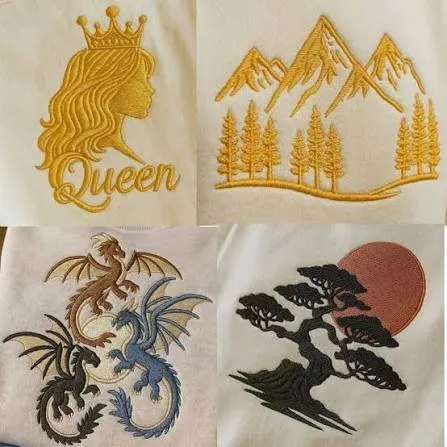
Sleeve
Queen, mountain, dragon, and bonsai
- Placement
- Sleeve
Have a design like this? Send it with the size and placement for a free quote.
Get Free Quote
Artwork ready?
Send it over.
We'll plan every stitch.
Upload the design with the size and placement. You get a price before any work starts.
Questions
Custom digitizing questions.
What people ask before sending complex artwork. Anything else, ask with your quote.
All questions01Can you turn a photo into embroidery?
Photos and JPG or PNG images are handled through image to embroidery, where we review what is realistic at your size before starting. Custom digitizing is for drawn artwork such as illustrations, mascots and unusual designs.
02How many thread colors can a design have?
Technically as many as your machine handles, but each color adds stops and run time. We aim for the fewest colors that still carry the look of the artwork.
03Why does my detailed design need simplifying?
Thread has physical width, so every row of stitching takes up space. Details narrower than a few rows cannot form clean shapes at the finished size, so they are merged, enlarged or simplified.
04Will a large illustration be stiff?
It does not have to be. We cut back hidden layers, use lighter fills on large areas and vary fill angles so the design stays flexible.
05Can you combine embroidery with appliqué or puff?
Yes. Mention it with your request and we will plan the placement lines, tack-downs or puff areas into the sewing order. See appliqué and 3D puff digitizing.
06Is custom digitizing different from regular embroidery digitizing?
It is the same craft applied to harder artwork. Logos and standard designs are covered by embroidery digitizing; custom digitizing is for illustrations, mascots and unusual artwork where layering, shading and stitch choices need to be planned piece by piece.
Related services
Built for a specific job.
- Illustration Image to Embroidery Photos, sketches and low-res images interpreted into sewable designs with a realistic thread palette.
-
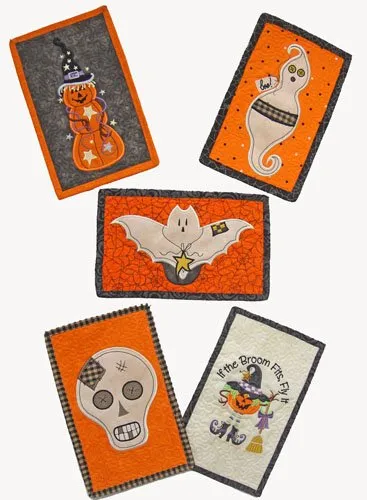 Appliqué Digitizing
Placement, tack-down and cover stitches sequenced with stops for fabric and trimming.
-
 Jacket Back Digitizing
Large-format designs with controlled stitch counts, varied fill angles and fewer trims.
- Illustration Vector Art Blurry logos redrawn by hand as clean, scalable AI, EPS, SVG and PDF files.
Free quote · No payment to ask
Complex artwork ready?
Let's plan the layers.
Upload the design, tell us where it needs to sew, and we'll take it from there.