
At a glance
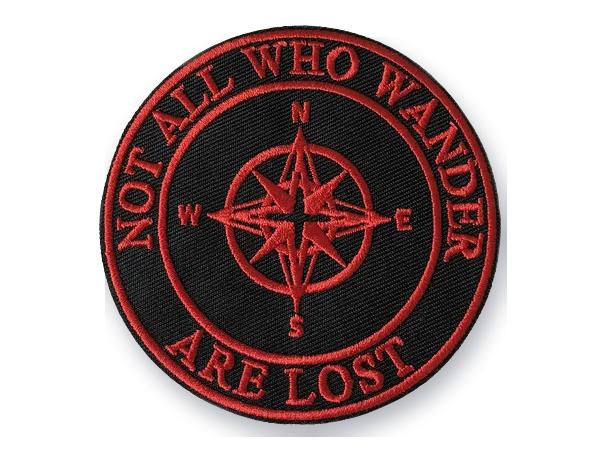
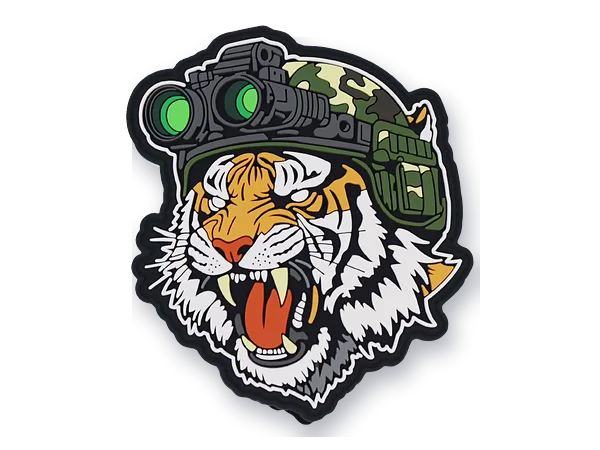
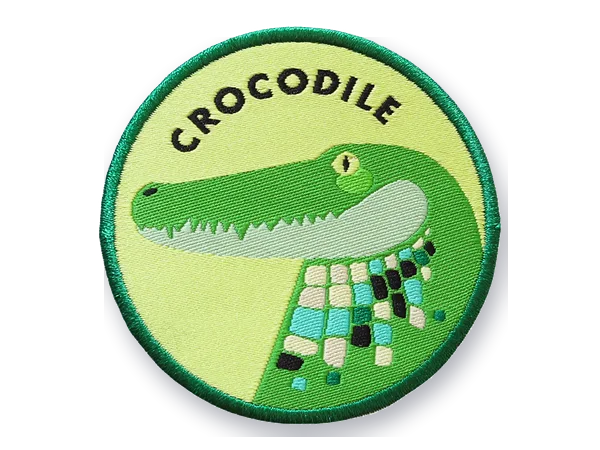
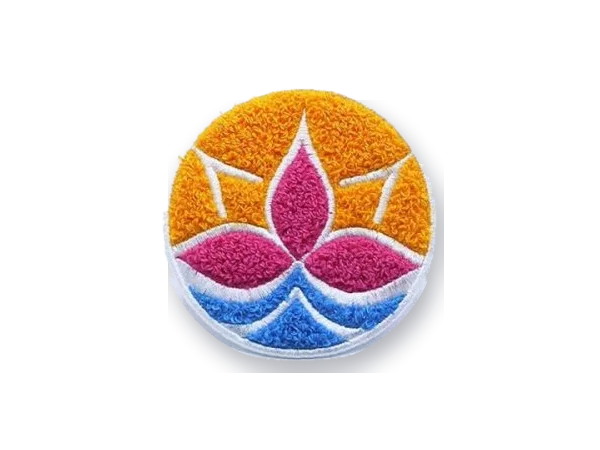
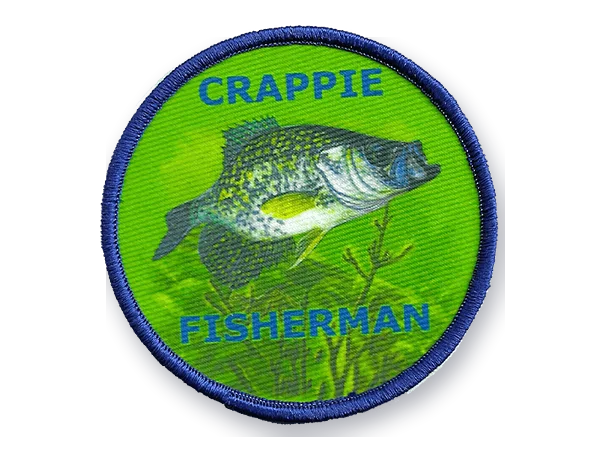
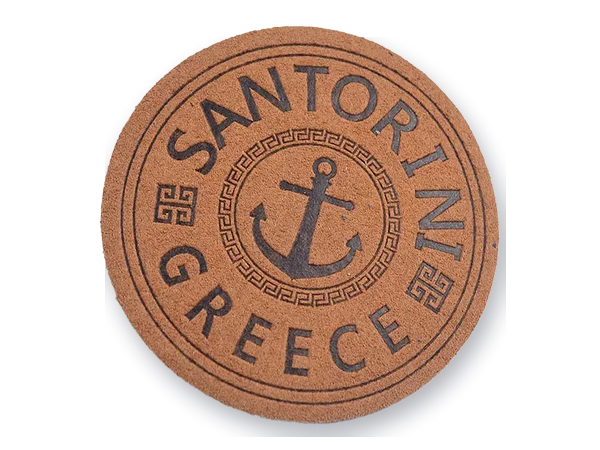
| Embroidered | Woven | PVC | |
|---|---|---|---|
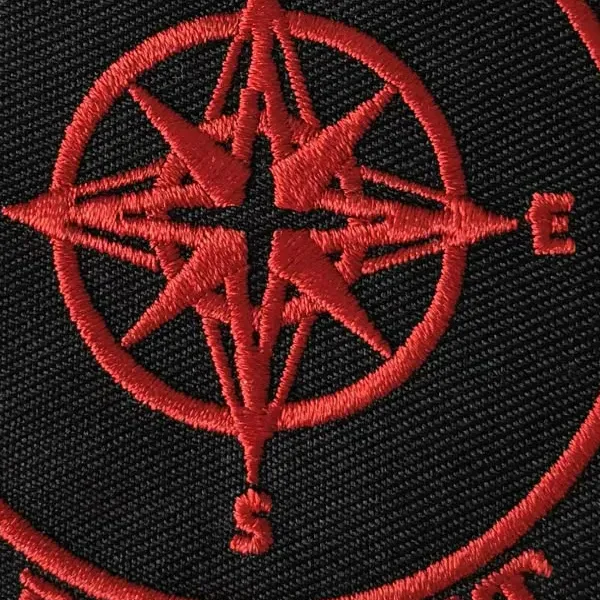
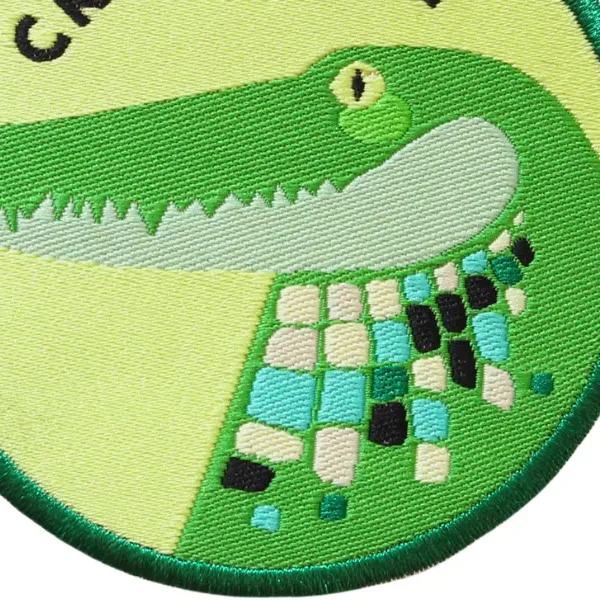
| Made from | Thread stitched onto a fabric base | Fine threads woven into the cloth | Liquid PVC set in a mold |
| Surface | Raised and textured | Flat and smooth | Smooth, flexible, dimensional |
| Detail | Bold shapes; small text is limited | Finest detail and smallest text of the three | Crisp separate color areas; very thin lines are limited |
| Gradients and photos | No | No | No (a printed patch suits these) |
Start with the artwork
Most of the decision is in the design itself. Look at it at the size the patch will actually be, not on a large screen, and ask four questions:
- Is there small text or fine line work? Lettering that has to stay readable at a small size points to woven. Embroidery thread has physical width, so the same text can close up.
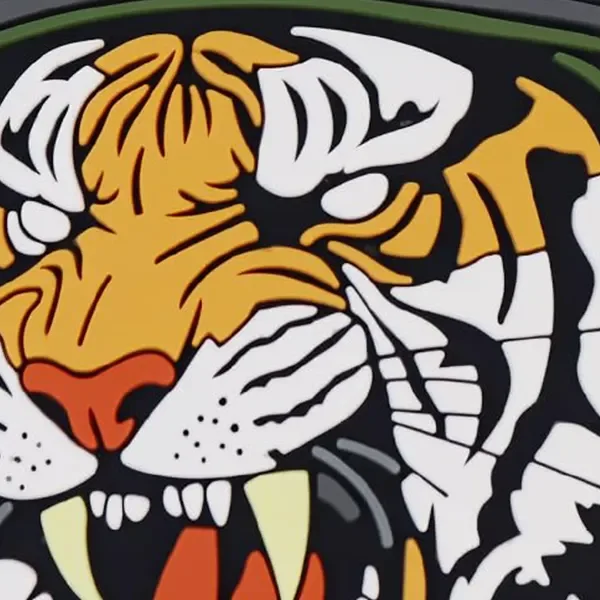
- Is it made of clear, solid color areas? Logos with distinct shapes and flat colors suit all three, and PVC especially, because each color sits in its own part of the mold.
- Should it look raised? Embroidery gives texture; PVC gives height and sculpted levels. Woven stays flat.
- Does it rely on shading, gradients or a photo? None of the three reproduces these well; a printed patch is the better fit.
Then the item and its use
The same logo can suit different types depending on where it goes. A thick embroidered patch can feel heavy on a thin shirt, where a woven patch stays light. Gear that gets wet or muddy, such as bags and outdoor equipment, is a common home for PVC, which has a smooth plastic surface rather than a textile one. Caps, jackets and uniforms carry all three. If the patch has to be removable, the backing matters more than the type; our guide to patch backings covers that choice.
Where each type has limits
- Embroidered: very small letters and hairlines may need enlarging or simplifying, and photographic detail is not possible.
- Woven: there is no raised texture, and colors come from thread, so gradients are built from a few distinct tones.
- PVC: each design needs its own mold, colors are solid, and very thin lines or tiny text need enough room in the mold to form.
None of these is a dead end. We look at your design at its finished size and tell you what would need to change for the type you prefer, or which type would hold it better.
What to send us
- The artwork, ideally as a vector file (AI, EPS, SVG or PDF); a clear JPG or PNG is fine for a quote.
- The finished size, or where the patch will go if you are not sure.
- The item it goes on and how it will be used or washed.
- Brand color references, if colors must match.
- The quantity per design (orders start at 50 pieces).
- Confirmation that you own the artwork or have permission to use it (a checkbox in the form). Licensed school, team or official marks may need proof of permission.
Not sure which type? Choose "Not sure" in the quote form and we will recommend one with the quote.
Ready to order patches?
Send the patch type and quantity for a quote. Orders start at 50 pieces.