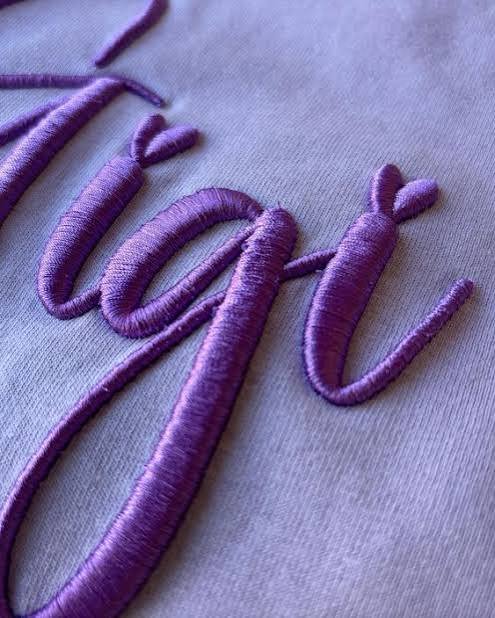
Fine heraldic detail
Crests include tiny shields, Latin mottos and thin dividing lines. Many of those elements are below what thread can reproduce at pocket size.
Ready when you are. Send your artwork today — we'll take care of the stitches.
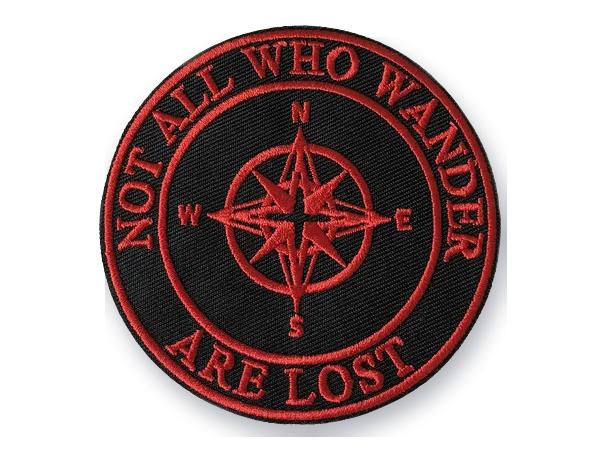 Embroidered patchesRaised, textured thread
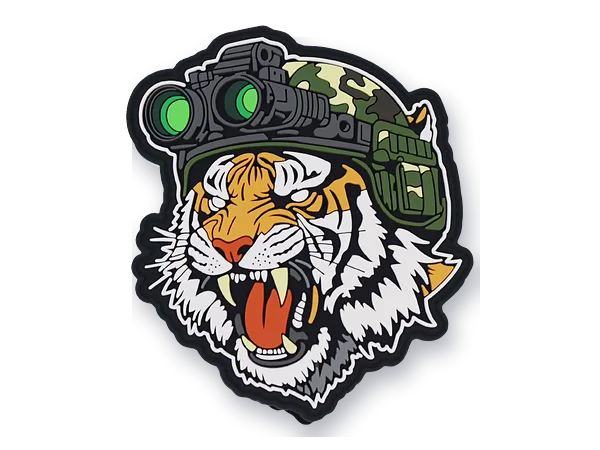 PVC patchesSmooth, flexible and dimensional
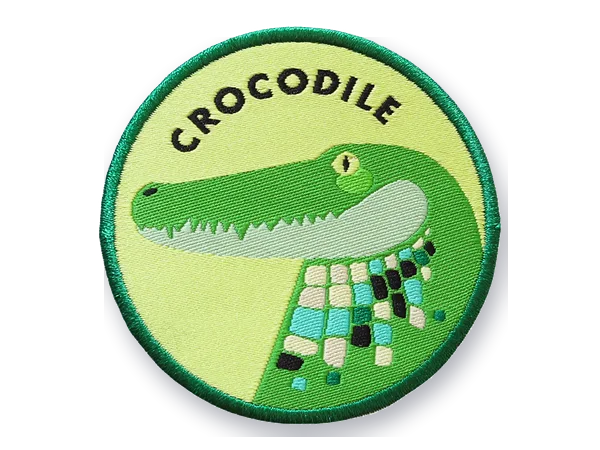 Woven patchesFlat, smooth and thin
 Chenille patchesSoft, fuzzy and raised
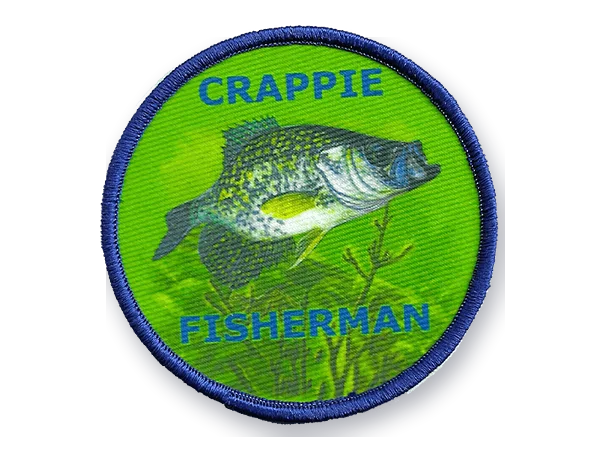 Printed / sublimated patchesFlat and smooth, full color
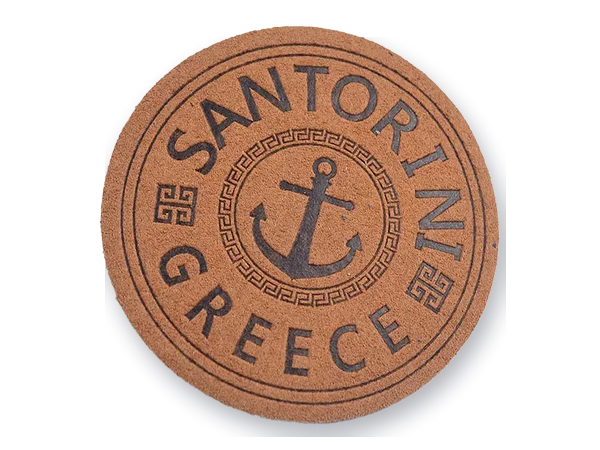 Leather patchesNatural, premium leather look
Digitizing for Schools & Universities
School marks tend to carry shields, banners, mottos and fine linework. We work out what each size can hold, then build every version so the crest stays recognizable from a blazer pocket to a hoodie back.
Who this is for
This page is for decorators, uniform suppliers and campus apparel shops producing school uniforms, spirit wear, staff apparel and athletic gear for K-12 schools, colleges and universities. You often work from official artwork with strict usage rules, and you need the same crest or mascot at several sizes across many garment types.
What gets in the way
Crests include tiny shields, Latin mottos and thin dividing lines. Many of those elements are below what thread can reproduce at pocket size.
Mascots are often drawn with shading and gradients. Converting them to stitches means choosing fill directions and color breaks that keep the character readable.
The same crest may appear on a blazer pocket, a polo, a cap and a hoodie back. Each size needs its own build, not a scaled copy.
Institutions protect their marks. Any simplification for embroidery has to be clearly flagged so it can be approved before production.
Garments & products
How we work with you
We start from the official artwork and decide, size by size, which elements can be sewn faithfully. Where a motto, border or detail has to be enlarged, merged or omitted, we note it on the proof so the change can be approved by the school.
Mascots are digitized with deliberate fill angles and color separation to suggest shading without becoming dense. The result is a library of approved versions you can reuse for each new order and season.
Brand marks simplified for thread and built as size-specific versions that sew the same every time.
Learn morePlacement, tack-down and cover stitches sequenced with stops for fabric and trimming.
Learn moreBorder, base and density planned for merrow, heat-cut or full-stitch patch production.
Learn morePhotos, sketches and low-res images interpreted into sewable designs with a realistic thread palette.
Learn moreDigitizing a school mark does not give anyone the right to produce it. At many colleges, apparel bearing the marks must come from a licensed vendor even when it is not for sale. Samford, for example, requires its departments and student organizations to use licensed vendors "even for products given away or sold at cost," and Purdue asks campus units to choose a licensed vendor for all promotional merchandise and apparel.
How licensing is run varies. Some institutions work with an agency such as CLC or Affinity Licensing, others run their own trademark office, and K-12 districts usually set their own rules. Our role is digitizing and vector artwork: we do not grant licenses, approve designs on a school's behalf or produce garments. The decorator producing the apparel should confirm their licensing status with the school before taking the order.
Before proposing simplifications, check whether the institution already publishes embroidery rules. Examples from current brand guidelines:
Where an approved embroidery version exists, digitize from it, then check what each placement can hold. How trademark symbols are handled is covered on our logo digitizing page.
Some universities name thread colors outright. Wright State lists Madeira Polyneon numbers for the colors in its logos, with separate charts for different marks, and Missouri State's merchandise policy gives its official thread colors in both Madeira and Robison-Anton numbers. When a school publishes a thread brand and number, send it with the artwork instead of matching from print colors, and use the chart for the specific logo being sewn. A shop using a different thread brand needs a cross-reference, and it is worth asking the school whether that substitute is acceptable.
District rules can be as formal as a university's. Deer Creek Public Schools in Oklahoma, for example, asks for logo requests at least ten working days ahead with a design mock-up, and states that its logos should not be altered. Build review time like that into the schedule, and get artwork from the district or school office rather than a website image. If only a poor copy exists, a vector rebuild gives the office a clean file to approve.
Chenille is sewn on dedicated chenille machines using chain and moss stitches, so it needs equipment and files of its own, separate from flat embroidery. Before ordering, confirm what the shop's machines can run. Without chenille equipment, letters can be produced as felt or twill appliqué with flat-embroidered outlines, names and years. Names and numbers for athletic uniforms are covered on our sports and teamwear page.
Schools named here are examples taken from their published guidelines. Fast Embroidery is not affiliated with them, and policies change, so always check the current version with the institution.
Working on school apparel? Upload the approved artwork with any embroidery guidelines or thread numbers from the school for a review and quote. Upload school artwork
FAQ
Chenille requires specialized equipment and is usually produced as a separate patch. We digitize the flat embroidery, appliqué letters and outlines that commonly accompany varsity designs. Tell us your setup and we will advise what we can build.
We can enlarge the banner slightly, simplify the lettering, or omit the motto from the smallest version. Each option is shown on the proof so the school can decide.
Yes. We can digitize directly from a clear illustration, or convert it to vector art first if you also need it for print.
Yes. Each size is built from the same master layout with matching colors and proportions, so a pocket crest and a hoodie crest read as the same mark.
Free quote · No payment to ask
Upload the design, tell us where it needs to sew, and we'll take it from there.