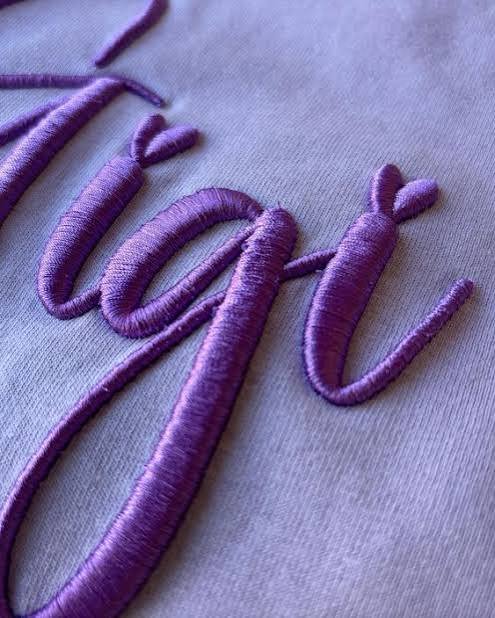
Small, dense text
Names followed by credentials such as RN, MD or DDS often sit on one or two short lines. Letters close up quickly if the font, height and stitch type are not chosen for the size.
Ready when you are. Send your artwork today — we'll take care of the stitches.
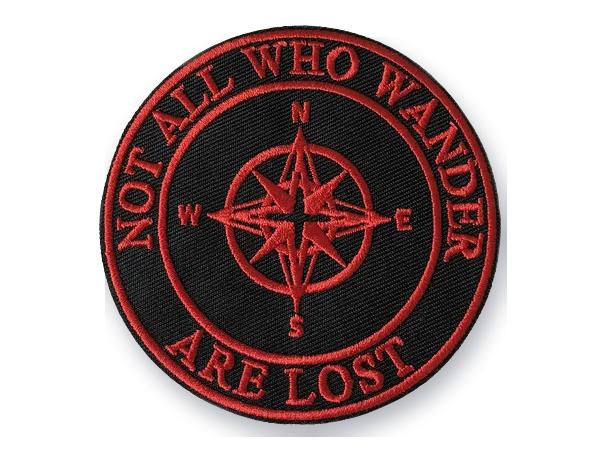 Embroidered patchesRaised, textured thread
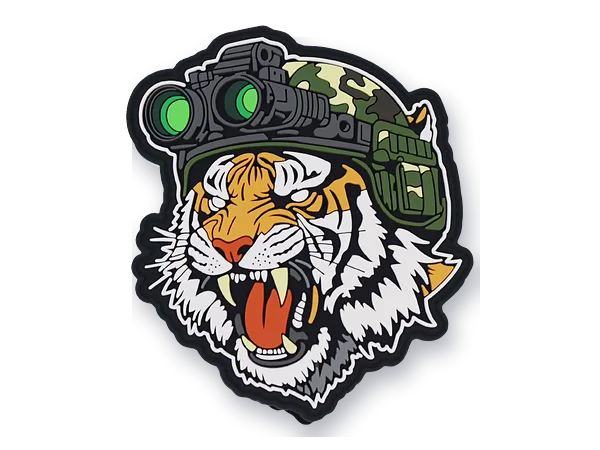 PVC patchesSmooth, flexible and dimensional
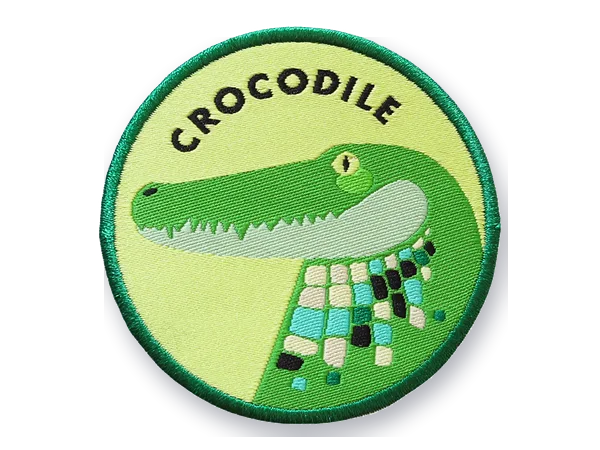 Woven patchesFlat, smooth and thin
 Chenille patchesSoft, fuzzy and raised
 Printed / sublimated patchesFlat and smooth, full color
 Leather patchesNatural, premium leather look
Digitizing for Healthcare & Medical
Medical apparel relies on small text: a name, a title, a department. We build lettering and clinic logos for thin poly-blend fabric and for garments that are washed often.
Who this is for
This page is for decorators and uniform suppliers serving hospitals, clinics, dental and veterinary practices, and care facilities. Most orders combine a facility logo with personalized lettering for each staff member, sewn on scrubs, lab coats and fleece jackets that are washed often.
What gets in the way
Names followed by credentials such as RN, MD or DDS often sit on one or two short lines. Letters close up quickly if the font, height and stitch type are not chosen for the size.
Scrub fabric is thin and prone to puckering. Heavy fills pull it in, leaving a ripple around the logo that becomes worse after washing.
Garments may be washed many times. Long satins and loose stitches are more likely to snag, so the file keeps satins short and ties off securely. How the embroidery wears still depends on the thread, backing and wash process.
A facility order can include many different names. Each needs the same baseline, spacing and alignment so the staff look consistent.
Garments & products
How we work with you
We choose embroidery-friendly fonts and set letter heights that remain legible at the planned size, usually with short satin columns and enough spacing to keep counters open. Credentials and department lines are sized relative to the name so the hierarchy stays clear.
Logos and lettering for scrubs are built with reduced density and lock stitches at every trim, to help the design lie flat and stay secure on garments that are washed often. Thread, backing and the laundering process also affect how it holds up, and those are set by the decorator and the laundry.
Readable tiny text through adjusted density, light underlay and stitch types chosen per letter size.
Learn moreSmall-format files tuned for polos, piqué and knits, with lettering that stays sharp at chest size.
Learn moreBrand marks simplified for thread and built as size-specific versions that sew the same every time.
Learn moreDiamond, circle and stacked monograms with interlocking letters layered to sew cleanly.
Learn moreGarment retailers and uniform programs often set their own personalization limits, and they differ. One scrubs retailer, for example, allows up to three lines of 24 characters each; others allow fewer lines or a different count. Find out which limit applies before the layout is set, and agree one rule for long names and multiple credentials, such as a smaller credential line, an abbreviation the wearer approves or a second line, so they are not decided name by name.
Names on lab coats are often sewn above the chest pocket, where the lapel, pocket and armhole leave limited room. Coat styles and sizes differ, and on some the lapel overlaps part of that area. Measure the space on the smallest size in the order, then either set one lettering size that fits it or agree a separate size for small coats. The clinic logo has the same constraint; see left chest digitizing for how a logo is fitted to that area.
The finest lettering that will stay readable depends on the font, thread weight, fabric, needle and machine, so there is no single minimum. Thread maker Madeira, for example, recommends finer thread and the smallest suitable needle for delicate or stretchy fabric, and AllStitch advises telling the digitizer which areas will be sewn in 60-weight thread, because the lettering is planned differently. When you request a file, say which thread weight and needle the decorator will use and what the garment is made of. How the lettering itself is built is covered on our small lettering page.
Our work is the embroidery file and vector artwork only. Garments, sewing, laundering and any facility, infection-control or regulatory requirements sit with the decorator, the garment maker and the facility.
Setting up staff names or a clinic logo? Upload the logo or a sample name with the garments and placements, and tell us about any name list, for a review and quote. Upload clinic artwork
FAQ
No single height works for every name. Font style, letter case, thread weight, fabric and machine setup all change how small a name and credential line can sew. Lowercase letters and long credential lines usually need more room than short uppercase text. We check the lettering at your finished size and suggest adjustments if it will not stay readable; see small lettering digitizing.
We reduce density and use an underlay suited to thin knit and poly-blend fabric to minimize puckering. Proper backing and hooping on your side also matter, and we can suggest what works best.
Yes. We build a consistent lettering layout for font, height and position, so names added later follow the same rules. If you have a name list, send it with your request and we will confirm how it can be handled and quoted.
Yes. We build a version for each fabric, lighter for scrubs and slightly fuller for twill lab coats, while keeping the logo identical in appearance.
Free quote · No payment to ask
Upload the design, tell us where it needs to sew, and we'll take it from there.