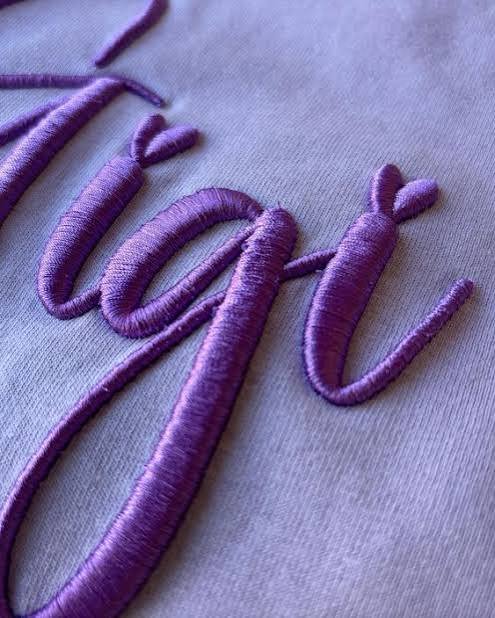
Tonal and textural work
Thread-on-fabric in the same color relies entirely on stitch direction, density and texture to create contrast. Small changes in angle or length change the whole look.
Ready when you are. Send your artwork today — we'll take care of the stitches.
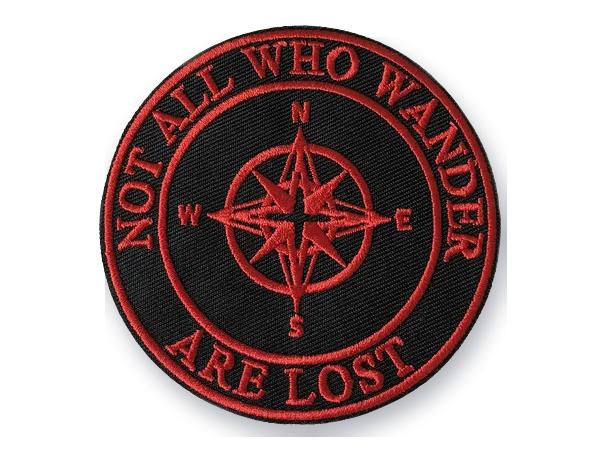 Embroidered patchesRaised, textured thread
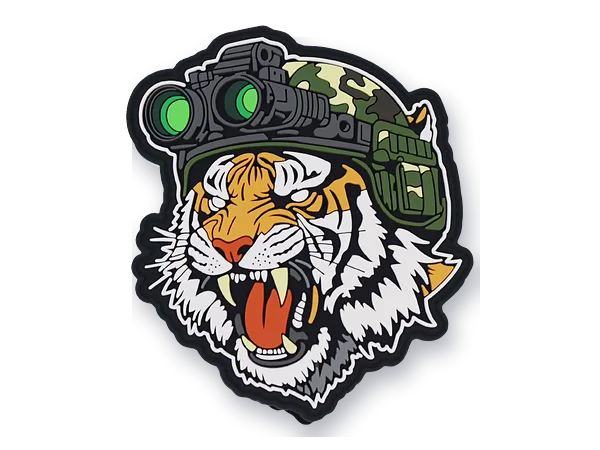 PVC patchesSmooth, flexible and dimensional
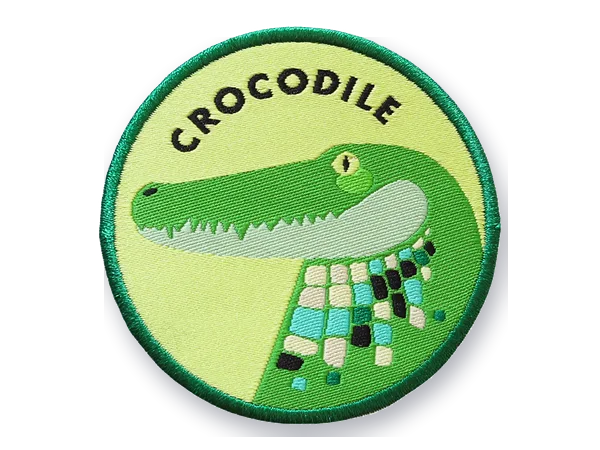 Woven patchesFlat, smooth and thin
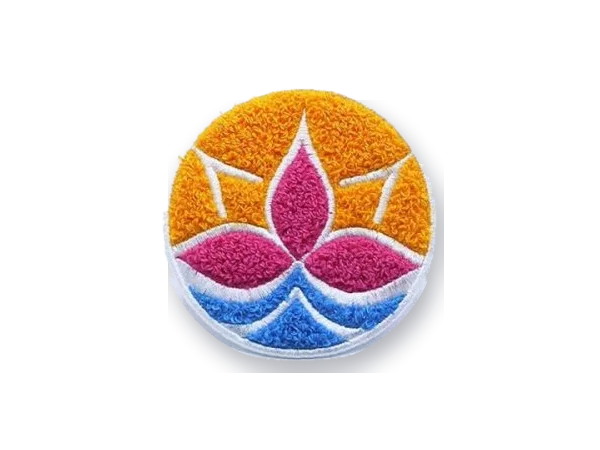 Chenille patchesSoft, fuzzy and raised
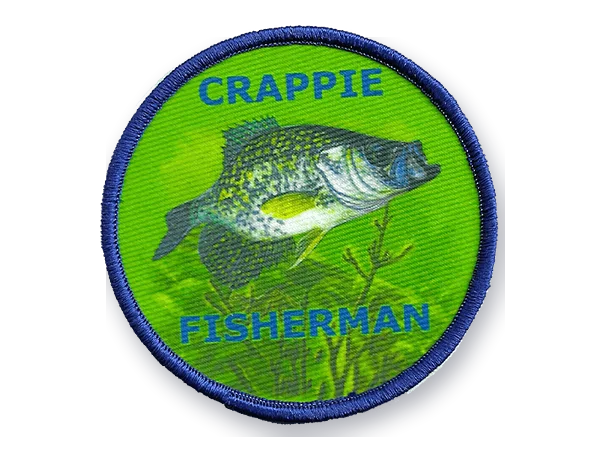 Printed / sublimated patchesFlat and smooth, full color
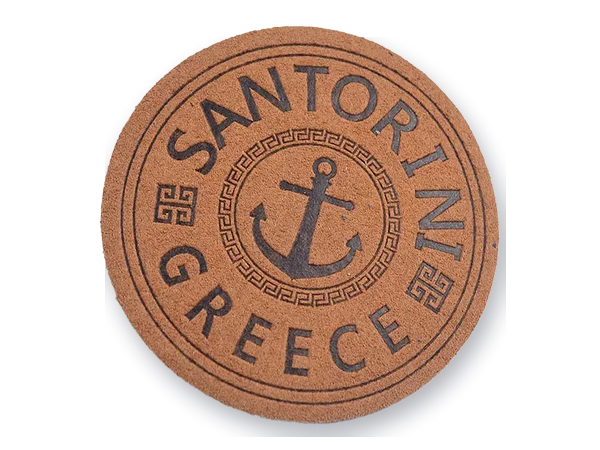 Leather patchesNatural, premium leather look
Digitizing for Fashion Brands
Fashion embroidery is judged on texture, restraint and placement, not only on whether it sews. We digitize with your design direction in mind and review your sampling feedback with you.
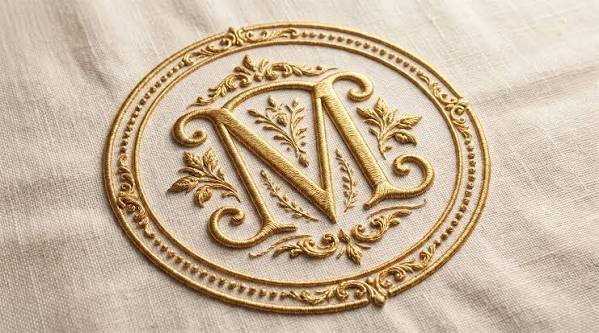
Who this is for
This page is for designers, fashion labels and product development teams creating embroidered details for seasonal collections. Your artwork may be a hand sketch, a technical pack or a pattern-placed motif, and the embroidery needs to fit the garment the way it was drawn, on fabrics that are often lighter or more delicate than standard decorated apparel.
What gets in the way
Thread-on-fabric in the same color relies entirely on stitch direction, density and texture to create contrast. Small changes in angle or length change the whole look.
Silk, chiffon, fine knits and linen shift and pucker easily. Heavy fills or long satins will distort the fabric around the motif.
Motifs placed along a neckline, hem or pattern piece must land exactly where the tech pack specifies, often before the garment is assembled.
A sketch may suggest a hand-embroidered feel or a particular texture. The digitizer has to translate that into stitch types a machine can repeat.
Garments & products
How we work with you
We read the artwork and any tech pack notes for stitch type, texture and placement, then propose how to achieve the look. Tonal pieces are built around fill angles, layered textures and varied stitch lengths rather than color changes.
Sampling is expected. After your first sew-out, send photos and comments. We review each revision request against the original order, whether it is a density or direction adjustment or a change to the design, and confirm any charge before further work.
Illustrations, mascots and detailed one-off artwork planned layer by layer for thread.
Learn moreStitch files with planned underlay, density and pathing for the fabric you sew on.
Learn moreDiamond, circle and stacked monograms with interlocking letters layered to sew cleanly.
Learn morePhotos, sketches and low-res images interpreted into sewable designs with a realistic thread palette.
Learn moreTech pack templates usually ask for artwork with its size and placement. Embroidery needs a little more, so the digitizer and the factory work from the same information:
If the job is a brand logo on finished blanks across a line, our apparel and clothing page covers blank choice, placement areas and keeping drops consistent.
Choose the thread before the design is digitized, not after the first sample, and follow the guidance for the specific thread line. Thread maker Madeira, for example, says a design for its metallic threads must be programmed for metallic, with stitch length and density adjusted, and that letters under 5 mm should be sewn only in its FS #50 metallic. It describes its Frosted Matt polyester as slightly thinner than a normal 40-weight, so density on large fills may need adjusting, and recommends its rayon for formalwear and luxe fabrics while advising against whiteners, brighteners and bleach. Other brands' threads behave differently. A file built for standard polyester may not sew as intended in a specialty thread, so name the exact thread line in the brief and check with the embroiderer that their machines run it.
When thread and fabric are the same color, the design is carried by texture: stitch direction, stitch type and the finish of the thread. A shiny thread beside a matte one in the same color reads as two tones. Mark the sketch to show which areas should read lighter or darker, and add arrows where the direction of the stitches matters, so those choices are settled in the brief rather than left to interpretation.
Stitches pull fabric in as they sew, which is why digitizers build compensation into the file. On a cut panel, that draw-in can move a motif relative to the seam. Before the file is built:
Sew the motif on a panel of the production fabric and check it against the pattern before cutting the full order.
Fashion wordmarks often use condensed letters or hairline serifs, which are the first details lost in thread. The options are to simplify the mark for embroidery, sew it larger, plan it for a finer thread, or use a woven label where a very small wordmark is needed. See small lettering for what affects legibility, and monogram digitizing for initials.
If a sample needs changes, the request is clearest with photos of the front and back in daylight with a ruler in the frame, the fabric, backing and thread used, and a note of what should change, such as puckering, gaps, color or size. Once a sample is approved, keep its file version, thread list and photo together under the season and style, so later production starts from the approved version.
Developing embroidery for a collection? Send the sketch or artwork with the tech pack callout, fabric and thread for a review and quote. Upload design artwork
FAQ
Yes. A clean scan or photo of the sketch is enough. If the motif needs to scale accurately for different sizes, we may redraw it as vector art first.
With the same thread color as the fabric, contrast comes from stitch direction, length and layering. We plan fill angles and textures specifically to catch light differently across the design.
Yes, with light density, short stitches and open fills. Stabilizer choice on your side is equally important, and we recommend testing on the actual fabric before production.
Send photos of the sew-out with notes on what to change. Revision requests are reviewed case by case: what is involved depends on the original order and the change, and we confirm any charge before further work. Fashion embroidery often needs some adjustment after the first sample, so allow time for it in the schedule.
Free quote · No payment to ask
Upload the design, tell us where it needs to sew, and we'll take it from there.