

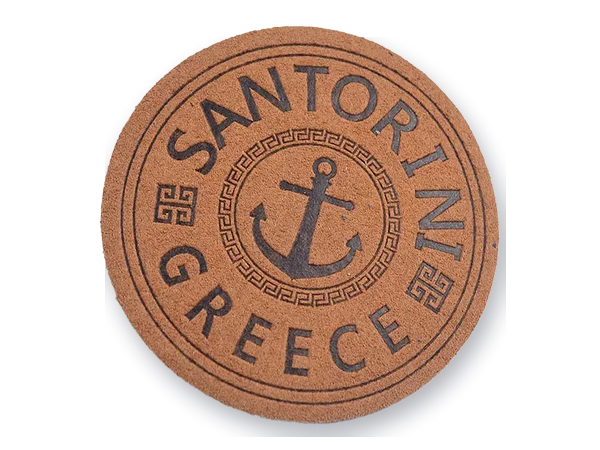
Left Chest Digitizing Service
Small placement. Serious detail.
Left-chest embroidery has limited space for detail. We adjust lettering, density and stitch structure so the logo stays readable on the actual garment.
- Small-logo optimization
- Fabric-aware setup
- Major machine formats
Why left chest is different
At left-chest size,
every detail gets smaller.
The left chest is the most common placement in embroidery and one of the least forgiving. We build chest files for small sizes and stretchy fabrics, so lettering stays crisp and the polo lies flat.
Artwork designed for screens or print can carry detail that does not translate directly at embroidery scale. A left chest logo is often only a few inches wide, so lettering that looks fine in artwork can be only a few millimeters tall once it is sewn.
Most chest logos also go on polos and knit shirts. Piqué has a raised, textured surface and stretches in every direction, so a file built for stable twill tends to pucker, sink and lose its edges.
Design at full size
- Thin linesHairlines that break up or disappear when sewn small
- Tiny textSmall text with closed-up letters like e, a and s
- Narrow gapsSpaces that fill in once thread spreads
- Complex detailStitches sinking into the piqué texture
- Tight outlinesOutlines that sit off the edge of fills
Left-chest ready
- Readable letteringSpacing and weight adjusted so text stays open
- Detail where it holdsSimplified only where the size demands it
- Balanced densityCoverage without stiffness or puckering
- Clean spacingGaps sized for thread, not for screen pixels
- Fabric-aware planUnderlay and compensation set for the garment
The left-chest fit
How we build a chest file.
Chest files are small, but the settings inside them are tuned more carefully than almost any other placement. Select an area to see the decision behind it.
-
The logo sits on the wearer's left, measured from the garment center and down from the collar. The exact position depends on the garment style and your production setup, so we build the file for the size and leave placement to your hooping.
-
Too small and the detail closes up; too large and the logo crowds the chest area. The right size depends on the logo's detail and the garment, so tell us the width you plan to sew and we check the artwork against it.
-
Lettering may need spacing, weight or construction adjusted to stay readable. Text is digitized as narrow satin, letter spacing opened slightly and underlay kept light, so small letters keep open counters.
-
Different fabrics move and hold stitches differently. On knits, fills get a tatami or zigzag underlay to stabilize the fabric before top stitches go on, and satin borders get an edge run so the columns stay on the line.
-
Excessive density makes a small chest logo stiff and can distort lightweight fabrics. Fill density is usually opened slightly on knits, so there is less thread per area, less fabric distortion and a softer hand.
-
Knits pull in more than wovens. We add extra compensation to satin columns and fills so shapes keep their width, lettering keeps its form and outlines meet the fills they surround.
Small lettering
Small text is where files get exposed.
The same line of text, three ways. Shown enlarged so the stitches are visible.
-
01 · Artwork
Crisp on screen: thin strokes, tight spacing.
-
02 · Poor conversion
Auto-converted at chest size: counters close and the small line fills in.
-
03 · Optimized lettering
Rebuilt for embroidery: heavier strokes, opened spacing, satin that stays legible.
- Letter spacingOpened slightly so letters do not merge once thread spreads.
- Stroke widthStrokes thick enough to hold a satin column.
- Satin constructionNarrow satins with light underlay instead of fills.
- Thread interactionThread has width; gaps narrower than that close up.
- Counters and holesThe insides of e, a, o and s are kept open.
- Line breaksA long line can be split or stacked to gain height.
Illustration How small a line can go depends on the font, the fabric and the finished size, so we check it on your artwork. Small lettering digitizing
Fabric matters
Same logo.
Different fabric behavior.
Fabric changes how stitches sit, pull and sink, so the stitch plan changes with it.
-
Piqué polo
- Underlay
- More, to flatten the texture
- Density
- Slightly opened
- Compensation
- Increased for knit pull
The raised texture swallows small stitches. A water-soluble topping is usually recommended, and underlay is set to flatten the surface so lettering sits on top instead of sinking in.
-
Performance / Dri-Fit
- Underlay
- More, for a slick, stretchy base
- Density
- Lighter
- Compensation
- Increased
Thin, slick and very stretchy. Lighter density and more underlay in the file, with a no-show mesh cutaway backing in production, help prevent puckering and visible backing.
-
Woven work shirt
- Underlay
- Standard
- Density
- Standard
- Compensation
- Standard; finer detail can hold
Stable fabric that takes standard density well. These files can carry slightly finer detail than the same logo on a knit.
-
Fleece / soft knit
- Underlay
- Heavier, to sit above the nap
- Density
- Set for the pile
- Lettering
- May go slightly larger
Thick pile needs heavier underlay, and topping in production. We may increase lettering size a little so it does not get lost in the nap.
The file sets underlay, density and compensation. Backing, topping and hooping happen in production; we add recommendations for your operator, but they are your shop's call.
Logo simplification
What should stay.
What can change.
The aim is to preserve your identity at chest size, not to redesign your logo.
Keep
- Brand shape
- Main lettering
- Recognizable icon
- Essential colors
May need adjustment
- Hairline detail
- Tiny legal text
- Very small negative spaces
- Extremely thin outlines
Not every logo needs changes. Where something will not hold at the size you need, we suggest the smallest adjustment and show you before building the file.
Before we digitize
Five things we ask. "Not sure" is fine.
- 01
Garment
Polo, work shirt, jacket or something else.
- 02
Finished size
The embroidered width and height you plan to sew. We review small text and fine detail at that size before digitizing.
- 03
Fabric
Piqué, performance, woven, fleece or not sure. Fabric changes underlay, density and compensation.
- 04
Artwork
Vector is preferred; a PNG or JPG is accepted for review. If you only have a low-resolution image, a vector redraw can rebuild it first.
- 05
Lettering
Tell us any text that must stay readable, such as a company name or a phone number, so we prioritize it.
Service snapshot
Left Chest Digitizing at a glance
- Best for
- Polos, uniforms, workwear and corporate apparel
- Placement
- Left chest
- Common challenges
- Small lettering, limited detail, fabric movement
- Formats
- DST, PES, EXP, JEF and other supported formats
- Artwork
- AI, EPS or PDF vector, or a high-quality raster
- Production notes
- Backing and topping recommendations included
- Turnaround
- Confirmed with your quote
Formats you can request
Machine formats
- DSTTajima
- PESBrother / Baby Lock
- JEFJanome
- EXPMelco / Bernina
- VP3Husqvarna / Pfaff
- XXXSinger
- HUSHusqvarna
- EMBEditable working file (ask first)
A standard order includes one machine format of your choice. Additional formats, and the editable EMB working file, are not automatic: we confirm availability and any charge with your quote.
Not sure which format? Chest logos often run on multi-head commercial machines using DST. Tell us your machine and we will match the format. We'll recommend the correct file for your machine.
Converting a file you already haveHow orders run
How left-chest orders run.
-
01
Upload
Upload logo
Send the logo with the final width you plan to sew.
-
02
Garment
Tell us garment and size
Include the garment type and fabric, especially if it is piqué, performance knit or fleece. We review small text and fine detail at actual chest size.
-
03
Optimize
We optimize for detail and fabric
Underlay, density and compensation are set for the fabric, with compact pathing to limit trims.
-
04
Deliver
Receive the machine-ready file
Receive the machine file in your chosen format, a preview and a color and stitch sheet, with backing and topping notes for your operator.
Left-chest artwork ready?
Send the logo.
Tell us the garment.
We'll review the size, fabric and fine detail before building the file.
Questions
Left-chest questions.
What shops and brands ask before sending chest logos. Anything else, ask with your quote.
All questions01What size should a left-chest embroidery logo be?
It depends on the logo and the garment. Many decorators work within a maximum area of about 4 x 4 inches for left chest, and a common starting point for placement is roughly 7 to 9 inches down from the shoulder seam, adjusted for the garment style and size. Height depends on the logo shape. Tell us the size you plan to sew and we check the detail against it; final placement is set when the garment is hooped. Our left chest logo size and placement guide compares the published measurements by garment and size.
02Can small text be embroidered clearly?
Often, yes, with the right construction: satin lettering, opened spacing and light underlay. With standard 40-weight thread, text around 1/4 inch tall or larger is a comfortable target; smaller lettering is possible with finer thread, a smaller needle and a simple font, and piqué texture makes very small text harder to read. See small lettering digitizing.
03Can the same left-chest file be used on different fabrics?
It may sew, but not always cleanly. Underlay, density and compensation suit a fabric, so a file built for a woven shirt can pucker on a performance knit. For mixed orders, ask for a version per fabric. Uniform programs that span many garment types are covered on our corporate and workwear page.
04Do polos need different digitizing from woven shirts?
Usually. Piqué and performance knits stretch and have texture, so they need more underlay, slightly lighter density and more compensation. Woven shirts are stable and can carry slightly finer detail. Our article on pull compensation explains why knits pull in more.
05Can you simplify a detailed logo for embroidery?
Yes, with the aim of keeping your identity. We adjust only what will not hold at chest size, such as hairlines, tiny legal text or very small gaps, and show you before building the file.
06Can a cap file also be used for left-chest embroidery?
Not ideally, either way. A cap file is sequenced center-out for a curved front, and a chest file is not sequenced for a cap. We recommend a separate version for each; see cap digitizing.
07Which machine formats do you provide?
DST, PES, EXP, JEF, VP3 and others. Chest logos often run on multi-head machines using DST; tell us your machine and we match the format.
08Can you digitize low-resolution artwork?
We can review it. If small text or detail is unreadable, vector art can rebuild the logo cleanly first.
09Can you fix a left-chest file that feels too dense?
Usually. Puckering and stiffness on polos often come from a file built for a stable fabric with too much density and too little underlay. Send the file with the garment and a photo, and we tell you whether we would adjust or rebuild it.
010Do I need to tell you the garment fabric?
It helps a lot, but "not sure" is fine. Fabric changes underlay, density and compensation, and we add backing and topping notes for your operator. Knits such as piqué and performance polos are normally sewn with a cut-away backing, a water-soluble topping is usually recommended on piqué, and lightweight performance polyester suits lighter, lower-density designs.
011How is left-chest digitizing priced?
Every design is quoted before any work starts. Left-chest logos usually sit in the smaller size range on our pricing page, but the quote still depends on the detail and small text in the logo, and on extras such as a separate version for another fabric or additional formats.
Related services
Built for a specific job.
-
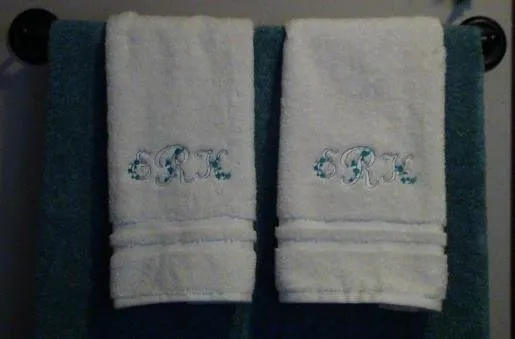 Small Lettering
Readable tiny text through adjusted density, light underlay and stitch types chosen per letter size.
- Illustration Logo Digitizing Brand marks simplified for thread and built as size-specific versions that sew the same every time.
-
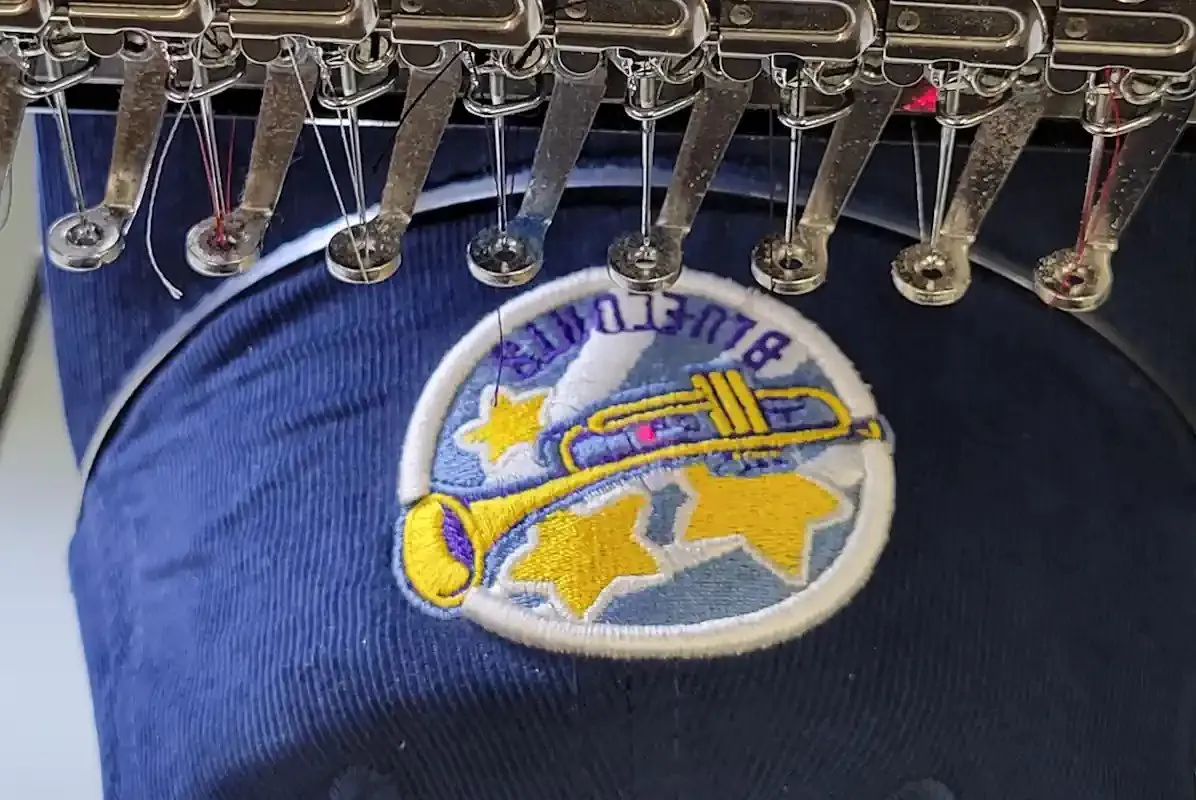 Cap & Hat Digitizing
Center-out sequencing and curved-surface compensation built specifically for headwear.
- Illustration Vector Art Blurry logos redrawn by hand as clean, scalable AI, EPS, SVG and PDF files.
Free quote · No payment to ask
Small placement.
Clean result.
Upload the design, tell us where it needs to sew, and we'll take it from there.