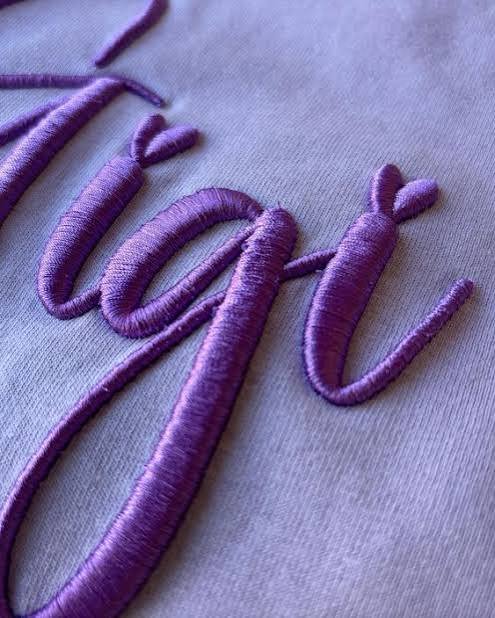
One file, many fabrics
A logo digitized for a heavy hoodie can pucker on a lightweight jersey tee. The same artwork usually needs density and underlay adjusted per fabric weight.
Ready when you are. Send your artwork today — we'll take care of the stitches.
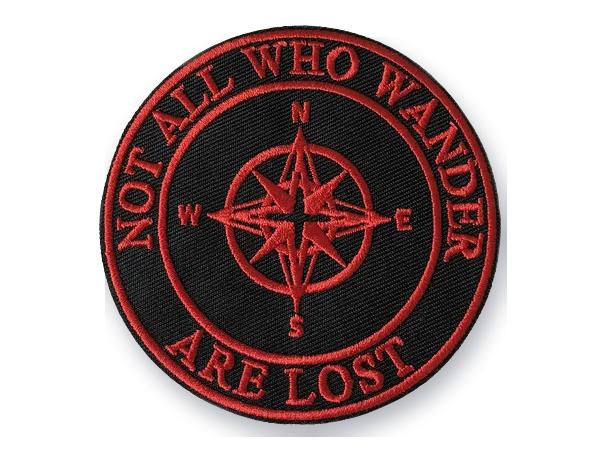 Embroidered patchesRaised, textured thread
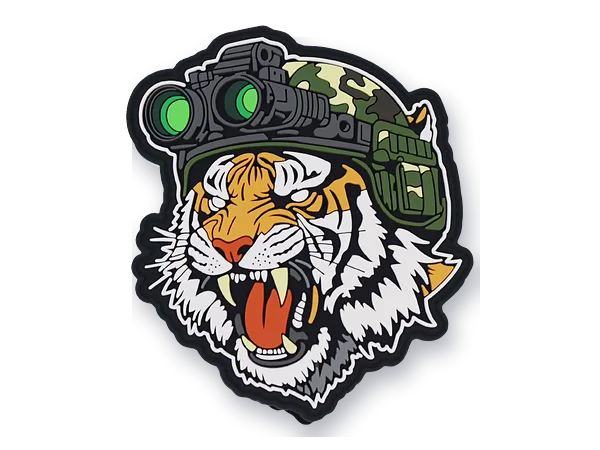 PVC patchesSmooth, flexible and dimensional
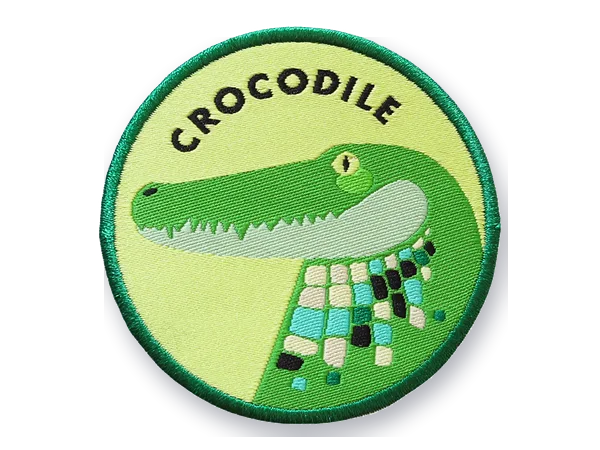 Woven patchesFlat, smooth and thin
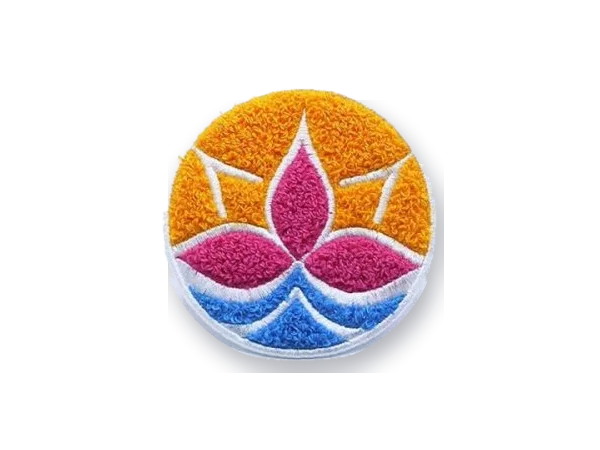 Chenille patchesSoft, fuzzy and raised
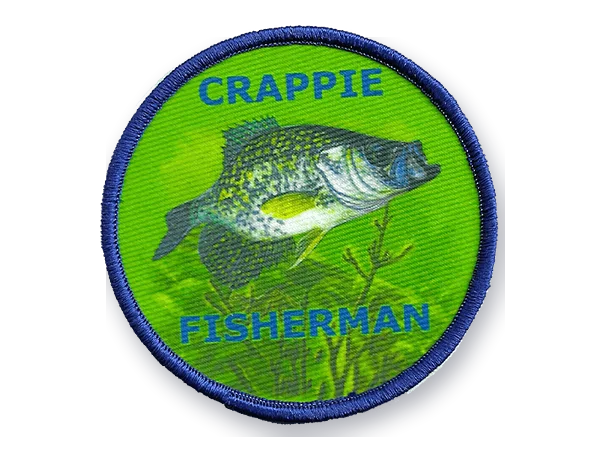 Printed / sublimated patchesFlat and smooth, full color
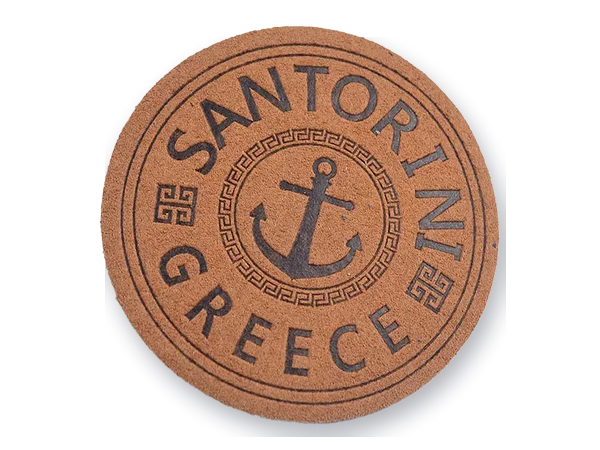 Leather patchesNatural, premium leather look
Digitizing for Apparel & Clothing Brands
A clothing line puts one logo on tees, hoodies, joggers and jackets. We digitize it so the mark reads the same on each fabric instead of looking slightly different from piece to piece.
Who this is for
This page is for independent clothing labels, streetwear brands and growing apparel companies who decorate their own blanks or hand files to a production partner. You may be launching a first drop or extending an existing line into new garment types, and you need embroidery files that hold your brand standards across every product and every factory that sews them.
What gets in the way
A logo digitized for a heavy hoodie can pucker on a lightweight jersey tee. The same artwork usually needs density and underlay adjusted per fabric weight.
Thin rules, gradients and tight letter spacing in a brand guide may not survive at chest size. Someone has to decide how to simplify without changing the identity.
If two decorators sew your line, each may run a different machine and read a different format. Without a single master file, results vary between batches.
A small chest hit and a large back graphic cannot simply be scaled from one another. Stitch types and density need to be rebuilt for each size.
Garments & products
How we work with you
We start from your vector logo and brand colors, then check which details will hold at each planned size. Where something has to change, such as opening a tight counter or thickening a hairline, we flag it before digitizing so the decision stays with you.
Once the master design is approved, we produce fabric-specific versions and placement sizes from it. You get one consistent source for the mark, delivered in the machine format your decorator runs, and the delivered files are yours to reuse with another decorator later. Extra formats are confirmed with your quote.
Brand marks simplified for thread and built as size-specific versions that sew the same every time.
Learn moreSmall-format files tuned for polos, piqué and knits, with lettering that stays sharp at chest size.
Learn moreLarge-format designs with controlled stitch counts, varied fill angles and fewer trims.
Learn moreBlurry logos redrawn by hand as clean, scalable AI, EPS, SVG and PDF files.
Learn moreList every piece the mark will go on this season and next, such as tees, polos, hoodies, jackets and caps, and group them by how the fabric behaves rather than by product name. Jersey, piqué, fleece and woven twill each call for different underlay and density. Wilcom's embroidery software, for example, applies extra edge and zigzag underlay with slightly looser density for piqué, and strong underlay for fleece so stitches do not sink into the nap.
Start with the smallest placement in the collection, because it decides how far the mark has to be simplified. How that simplified version is built is covered on our logo digitizing page. If the embroidery is part of the garment's design rather than a mark on a finished blank, such as a tonal motif or a design placed on cut panels, see fashion brands instead.
Decoration areas differ by garment and by producer, so treat any published figure as a guide for that product only:
Get the area and position from whoever sews the garment before the artwork is sized. See left chest, sleeve and jacket back digitizing.
Thin wordmarks, taglines and distressed textures are often the first things lost at chest size. Production services publish their own rules; Printful, for example, asks for lettering at least 0.25 inch tall and 0.05 inch thick for its embroidery. That is one provider's requirement, not a universal limit, but it shows the scale involved. Decide early whether a tagline stays, grows or moves to a larger placement, and see small lettering for what affects legibility.
A line that mixes screen printing, DTF or heat transfers with embroidery needs both print artwork and stitch files of the same mark. Keeping one clean vector master lets both be produced from the same shapes. Check what each production partner accepts before ordering files: some print-on-demand services, Printful among them, digitize uploaded artwork themselves and do not accept embroidery files made elsewhere.
Between drops, what usually changes is the blank or the factory, not the logo. Note the blank style and color each design was approved on, with the thread colors used on each garment color, so the next drop or a new factory can be checked against the approved sample. Some embroidery software can store several color versions in one design file, so ask your digitizer how color versions will be supplied.
Planning embroidery for a new drop or collection? Send the logo, the garments it will go on and the size of each placement, and we will review it and quote. Upload brand artwork
FAQ
It helps, but it is not required. If you only have a JPG or PNG, we can digitize from it, or redraw it as vector art first so you have a clean master for print and embroidery.
We assign thread colors based on the brand colors you provide and note them on the color and stitch sheet. Tell us which thread brand your decorator uses and we will reference that chart.
You can start from the logo, but each file is built for a fabric, so tell us the garment types you are considering. If the blank changes after the file is made, a sample on the new blank shows whether an adjusted version is needed.
Yes. Large designs are rebuilt rather than scaled up, with fill angles and density chosen to keep the garment flexible and avoid a stiff patch on the back.
Free quote · No payment to ask
Upload the design, tell us where it needs to sew, and we'll take it from there.