
Small application
- Fewer micro-details
- Lettering becomes critical
- Simplified construction may be needed
Ready when you are. Send your artwork today — we'll take care of the stitches.
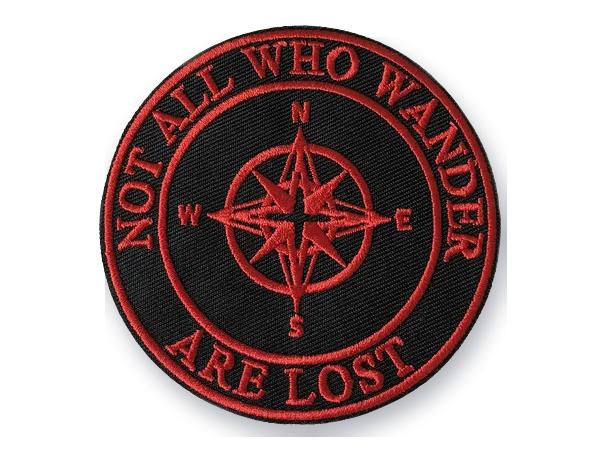 Embroidered patchesRaised, textured thread
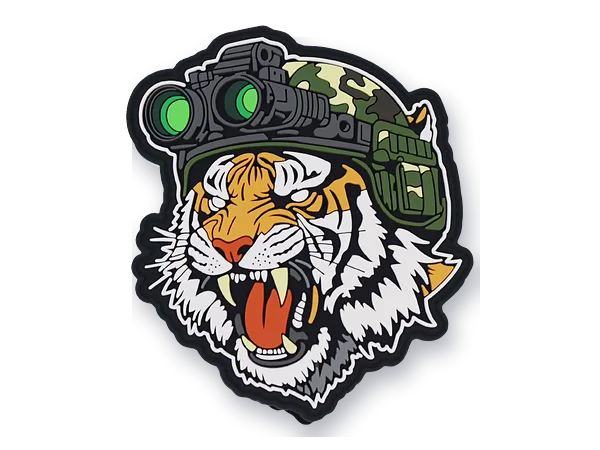 PVC patchesSmooth, flexible and dimensional
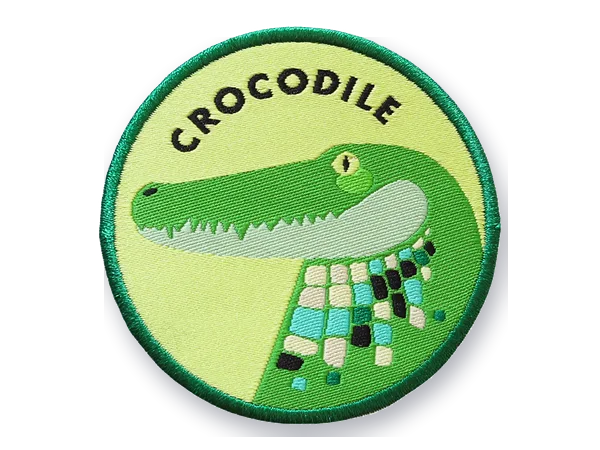 Woven patchesFlat, smooth and thin
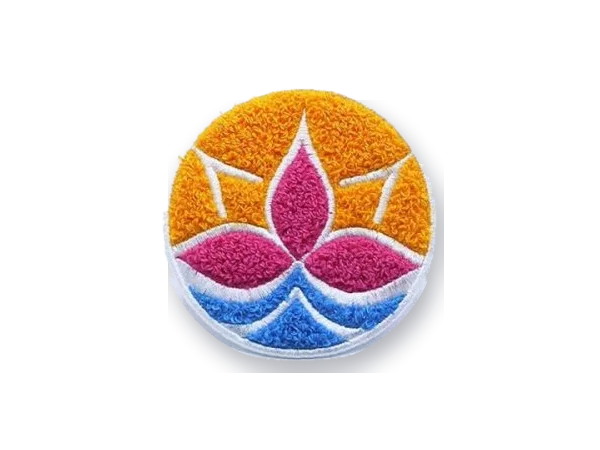 Chenille patchesSoft, fuzzy and raised
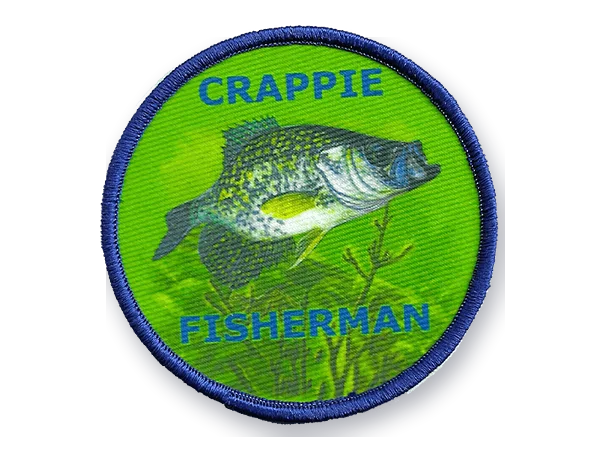 Printed / sublimated patchesFlat and smooth, full color
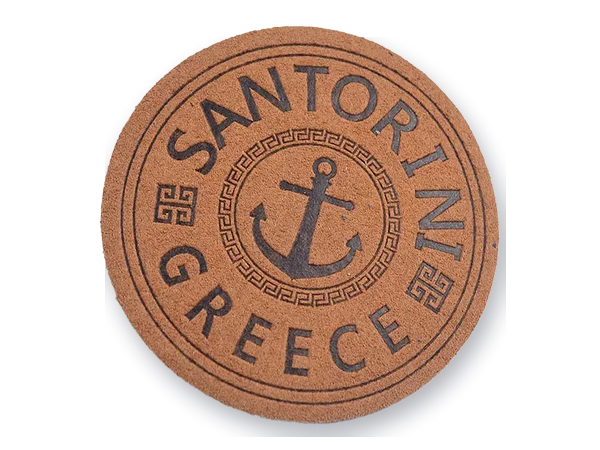 Leather patchesNatural, premium leather look
Logo Digitizing Service
We rebuild logos for embroidery by preserving the shapes, lettering and character that matter while adapting the details that thread cannot reproduce exactly like print.
Why logos need translating
A brand mark has to read clearly on a polo, a cap and a jacket back. We translate logo artwork into thread with the detail, proportions and colors held consistent at every size you order.
Most logos were built for print and web, where a hairline stroke, a tiny gap or a 6-point tagline costs nothing and a gradient is free. Embroidery has thread thickness, fabric movement and a physical stitch structure, so every element has a size it can actually be sewn at.
The other common problem is one file stretched across every placement. A logo digitized for a chest and enlarged for a jacket back sews with gaping fills and thin columns; shrunk to a cap side, it turns into a dense knot.
Embroidery is not a lesser version of the artwork. It is a different medium, and the logo has to be translated into it.
Screen / print logo
Embroidery-ready logo
Logo → stitch language
The goal is a logo customers recognize instantly, built from stitches that hold up in production. Select a part of the sample mark.
The overall silhouette and recognizable proportions should remain intact. Crisp brand edges come from satin borders or run-stitch outlines sewn after fills, with pull compensation set so outlines land on the shape rather than beside it.
Taglines and wordmarks are rebuilt as satin lettering, with spacing, stroke weight and counters adjusted to stay readable at the size you sew. If a tagline is too small to hold, we discuss options such as dropping it on smaller versions.
Very thin marks may need extra width or simplification to become stitchable. We identify elements below stitchable size, such as hairline strokes, and thicken, merge or remove them while keeping the overall shape of the mark intact.
Gaps, counters and the spaces between elements need enough separation to stay open once thread spreads. Tiny counters are opened slightly so letters and shapes do not fill in.
Thread comes in flat colors, so digital gradients, transparency and screen effects are translated rather than copied. Brand colors are matched to standard thread charts such as Madeira or Isacord, and the closest match is listed on the color and stitch sheet.
The logo's shapes decide where satin and fill stitches run. Thread angle changes how a shape reads and how it catches the light, so neighboring areas are often angled differently to stay distinct.
Logo simplification
We change only what thread requires and explain any change before final delivery, so your brand is not altered without your approval.
Preserved
Adjusted if needed
Illustration Sample logo: original artwork and its embroidery version.
One logo, several files
The same artwork usually needs a different file for each place it sews. One universal file rarely works everywhere.
The smallest common version. Fine detail is reduced the most here, and small text is checked for legibility at actual size.
Left Chest DigitizingRe-sequenced from the center outward and laid out to fit the crown height. Often a slightly simplified version of the chest logo.
Cap & Hat DigitizingAt large sizes, details that were dropped for small sizes can come back, and fills get angle changes to keep the piece flexible.
Jacket Back DigitizingWhy separate files
Many brands have a stacked and a horizontal lockup. Each is a different file, since spacing and sequencing change with the layout.
Scale
Relative size changes what a file can hold. The same mark is planned differently at each end.
Gradients and shading
A digital gradient cannot be translated one-to-one into thread. Depending on the artwork and the effect you want, there are several honest options.
On screen
A smooth blend that exists only on screen or in print.
Option 01
The blend becomes distinct thread colors; clean and dependable.
Option 02
Different angles in each area so light separates the tones.
Option 03
Smooth gradients reproduced with blended fills, varying density between two thread colors.
Option 04
Simplified into distinct steps when blending would be too dense for the fabric.
Illustration Tonal effects are possible within limits; we do not promise photographic results.
Before we digitize
AI, EPS, PDF or SVG is preferred; a PNG or JPG is accepted for review. Brand colors help if you have them.
Cap, polo, patch, jacket, bag or something else. Each one may need its own file.
The size the logo will actually be embroidered at, for every version you need.
What it will sew on, if you know. Fabric changes underlay, density and compensation.
Anything that must not change, such as a registered mark, a specific font or an exact color.
Service snapshot
Formats you can request
A standard order includes one machine format of your choice. Additional formats, and the editable EMB working file, are not automatic: we confirm availability and any charge with your quote.
Not sure which format? Logo sets are often sewn on different machines. Tell us each machine and we will supply matching formats for every version. We'll recommend the correct file for your machine.
Converting a file you already haveHow orders run
Upload
Send the logo, ideally as vector, with brand colors.
Where
Every size and placement you need. We flag elements too small to stitch at each size and suggest how to adapt them before work starts.
Translate
Each size or lockup is digitized as its own file with density and lettering set for that size.
Deliver
Receive every version with previews and a color and stitch sheet so the logo stays consistent across products.
Related samples
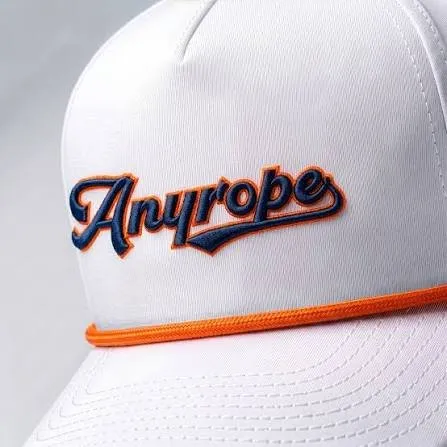
Caps
Have a design like this? Send it with the size and placement for a free quote.
Get Free Quote
3D Puff
Have a design like this? Send it with the size and placement for a free quote.
Get Free Quote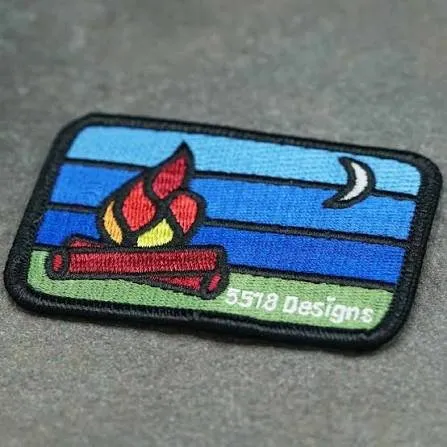
Patches
Have a design like this? Send it with the size and placement for a free quote.
Get Free Quote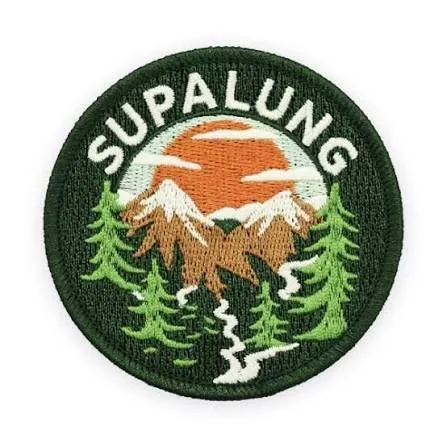
Patches
Have a design like this? Send it with the size and placement for a free quote.
Get Free Quote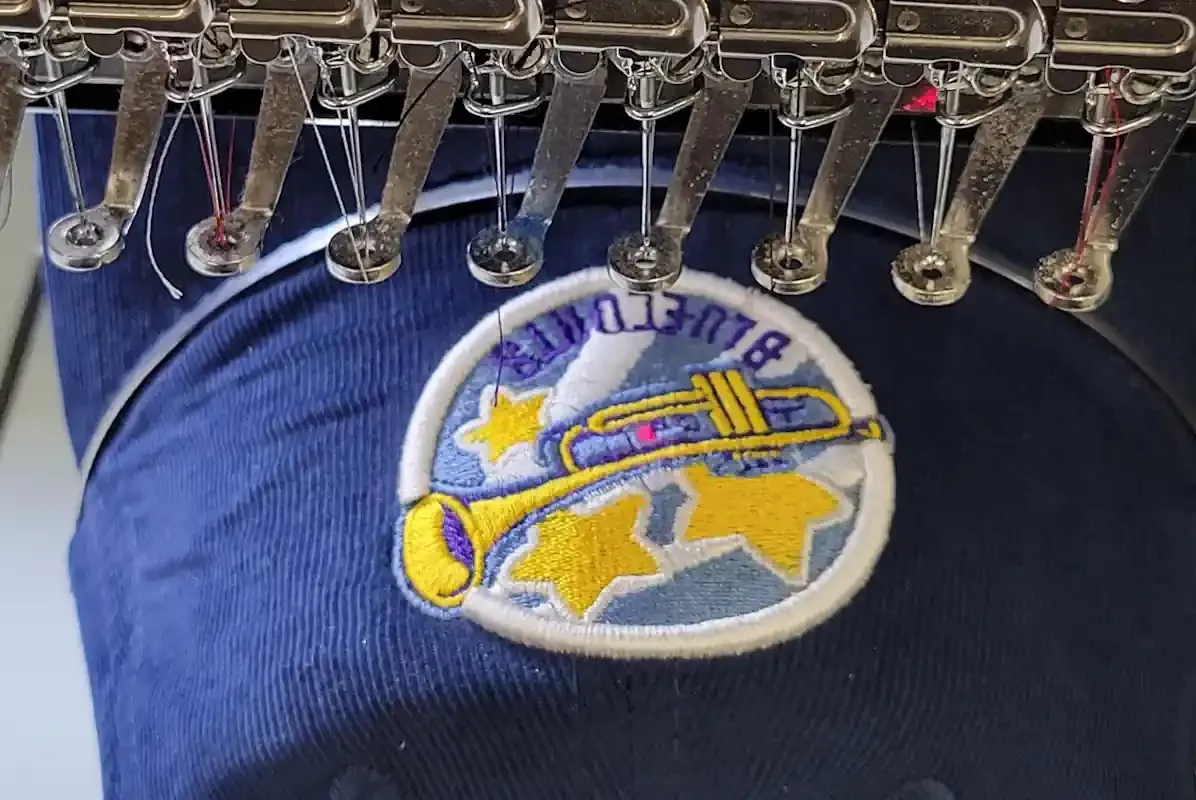
Caps
Have a design like this? Send it with the size and placement for a free quote.
Get Free QuoteLogo ready?
We'll review the logo at its actual embroidery size before building the file.
If the only file you have is a low-resolution image, vector art can rebuild a clean master first.
Registered (®) and trademark (™) symbols are often the smallest element in a logo, and at small sizes they can sew as an unreadable knot. How to handle them is the brand owner's decision, not the digitizer's. Guidelines differ: some brands require the symbol on every application, some accept a simplified dot or allow it to be left off embroidery when it would be illegible, and many prohibit rescaling or moving it.
Check your guidelines, or ask the brand or licensor, before work begins, and tell us what they allow. The same applies to any protected or licensed artwork, such as a school, team or franchise mark: it should not be simplified or altered without authorization from whoever controls it, and some licensing programs ask to approve a sew-out before production.
logo-left-chest.dst and logo-cap-front.dst, so a chest file is never loaded for a cap.Planning one logo for several products? Send the artwork with each placement and size you need, and we will review what every version requires. Request a logo digitizing quote
Questions
What brands and shops ask before sending a logo. Anything else, ask with your quote.
All questionsTranslating a logo from artwork into an embroidery file: deciding stitch types, directions, lettering construction and color order so the mark stays recognizable in thread.
Most logos, yes, though some need adjustment at small sizes. We review the artwork at the size you need and tell you what will hold before we start.
Vector (AI, EPS, PDF or SVG) is preferred because edges and small text are exact, but it is not required. If you only have a raster file, a sharp, high-resolution PNG (around 300 DPI, ideally on a transparent background) is the next best thing.
We can review it. If edges or small text are unclear, vector art can rebuild the logo cleanly first.
Only where thread requires it. Embroidery has less resolution than print: a satin stitch cannot be narrower than the needle that sews it, and production guidelines commonly treat lines thinner than about 0.05 inch (1.3 mm) as too fine for a satin column, so hairlines are thickened or sewn as a single run and very tight gaps are opened. We explain any change before final delivery so your brand is not altered without your approval.
Yes, within limits. Gradients can be blended between two or three thread colors, separated with stitch direction or broken into steps. Very subtle or photographic gradients are usually simplified.
Not well. Stitch density and column widths are set for a specific size and surface, and a cap file is sequenced center-out. A minor size change may sew acceptably, but a chest file and a cap file should be separate.
Taglines and wordmarks are rebuilt as satin lettering with spacing and weight adjusted for the finished size. A common guideline is lettering about 1/4 inch (6 mm) tall or larger for crisp results with standard 40-weight thread; smaller text, down to roughly 3 mm, needs a finer 60-weight thread and a smaller needle on your machine, and script or decorative fonts need more height than simple block fonts. See small lettering digitizing.
DST, PES, EXP, JEF, VP3 and others. Logo sets are often sewn on different machines, so tell us each machine and we supply matching formats for every version. Our guide to DST and PES files explains what each format stores.
Usually. Send the file with a photo of the sew-out, the size and the fabric. We tell you whether we would correct or rebuild it before any work starts.
We map your brand colors to the closest threads in common charts and list them on the color and stitch sheet. Thread makers note that an exact Pantone match is not always available, so the nearest shade is used, and a sew-out on the real garment is the best check before a large run.
Each logo is quoted before any work starts. The quote depends on the detail in the logo, the finished size, how many versions you need (for example a left-chest and a cap version) and extras such as additional formats or an editable working file. Send the artwork with each placement and size; pricing and policies explains what moves a job from standard to complex.
Related services
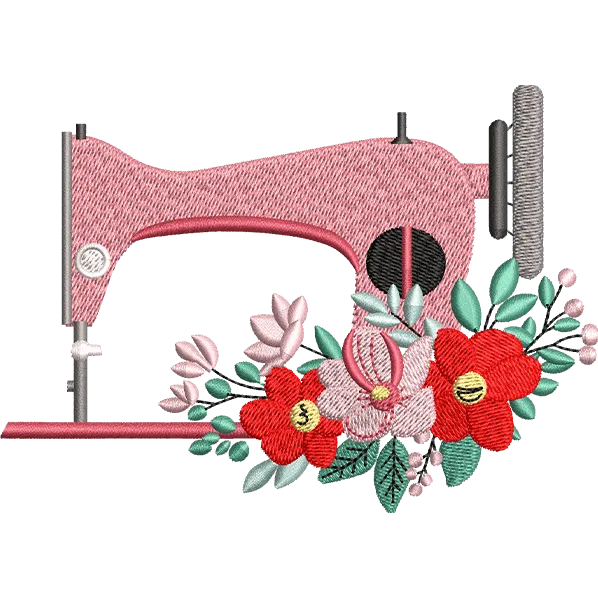 Left Chest Digitizing
Small-format files tuned for polos, piqué and knits, with lettering that stays sharp at chest size.
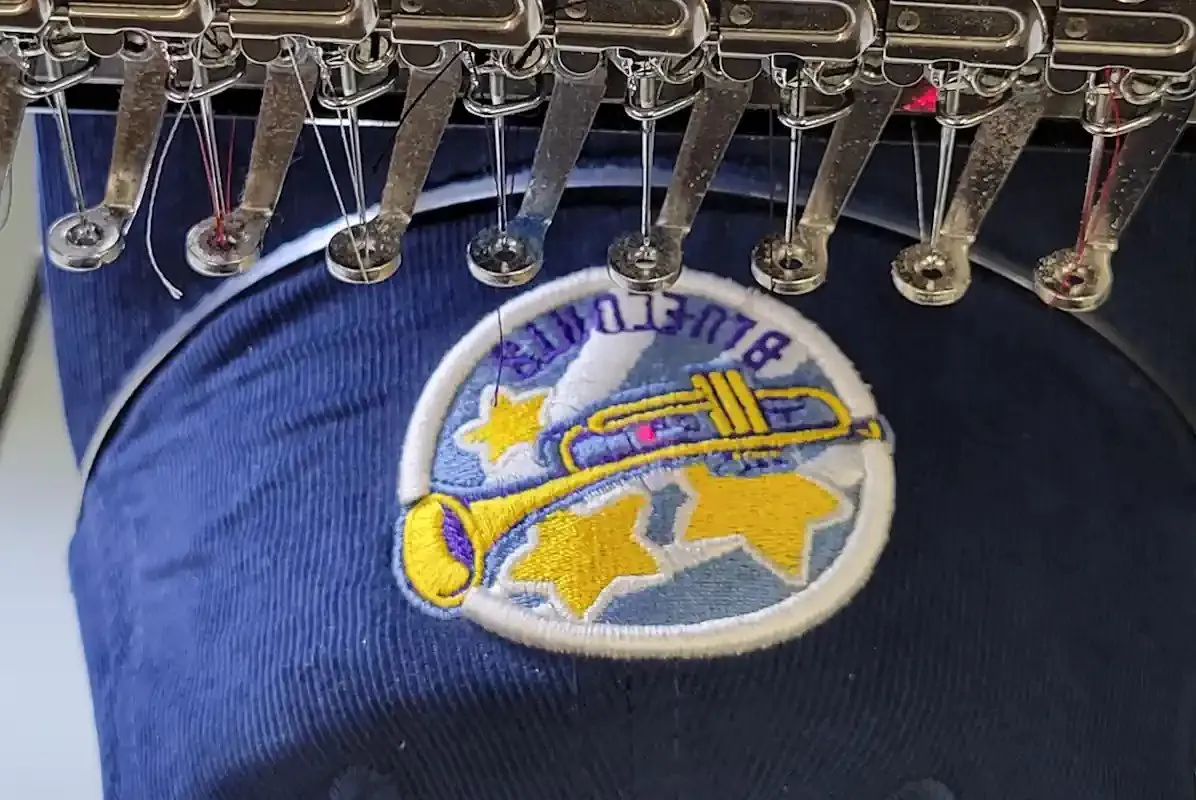 Cap & Hat Digitizing
Center-out sequencing and curved-surface compensation built specifically for headwear.
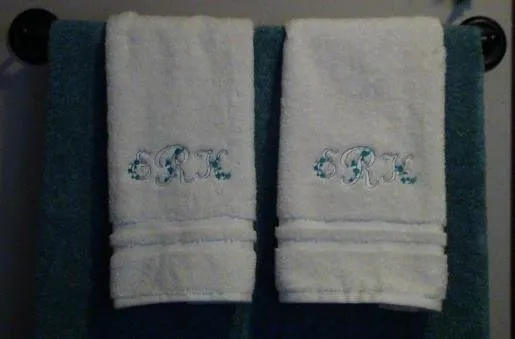 Small Lettering
Readable tiny text through adjusted density, light underlay and stitch types chosen per letter size.
Free quote · No payment to ask
Upload the design, tell us where it needs to sew, and we'll take it from there.