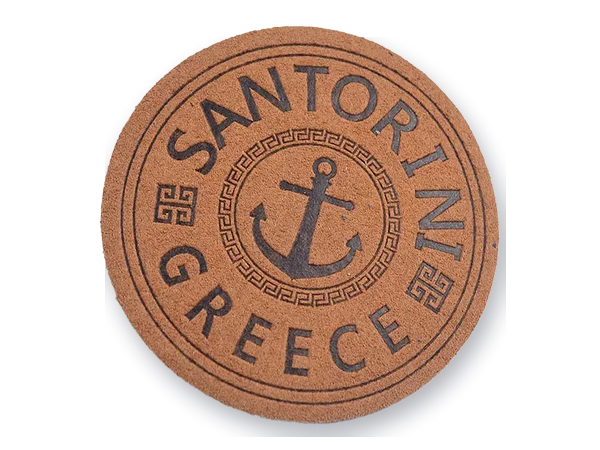
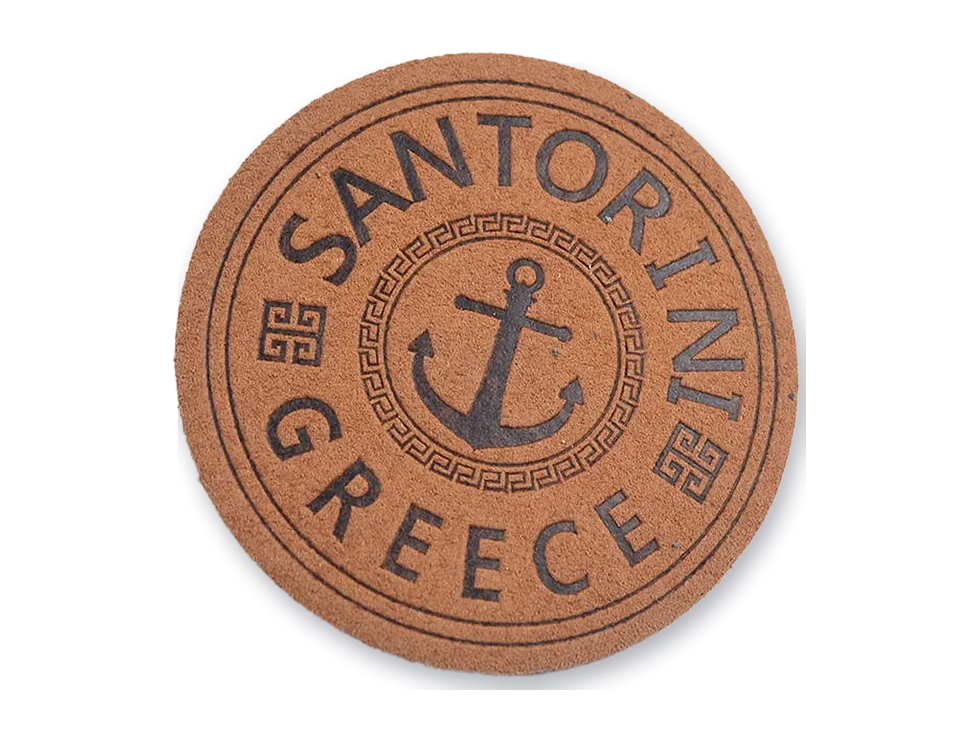
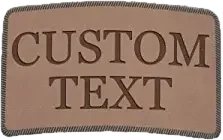
A leather patch is a piece of leather with the design marked into its surface. It can be genuine leather or a synthetic (faux) leather, which looks similar and is often more uniform in color.
The design is usually either engraved with a laser, which marks the surface and gives a darker, burned-in look, or pressed with a die. Debossing presses the design down into the surface; embossing raises it. These are general techniques, and we confirm the leather and the finish for your design with the quote.
1Leather surface
2Marked design
3Cut edge
Cross-section diagram
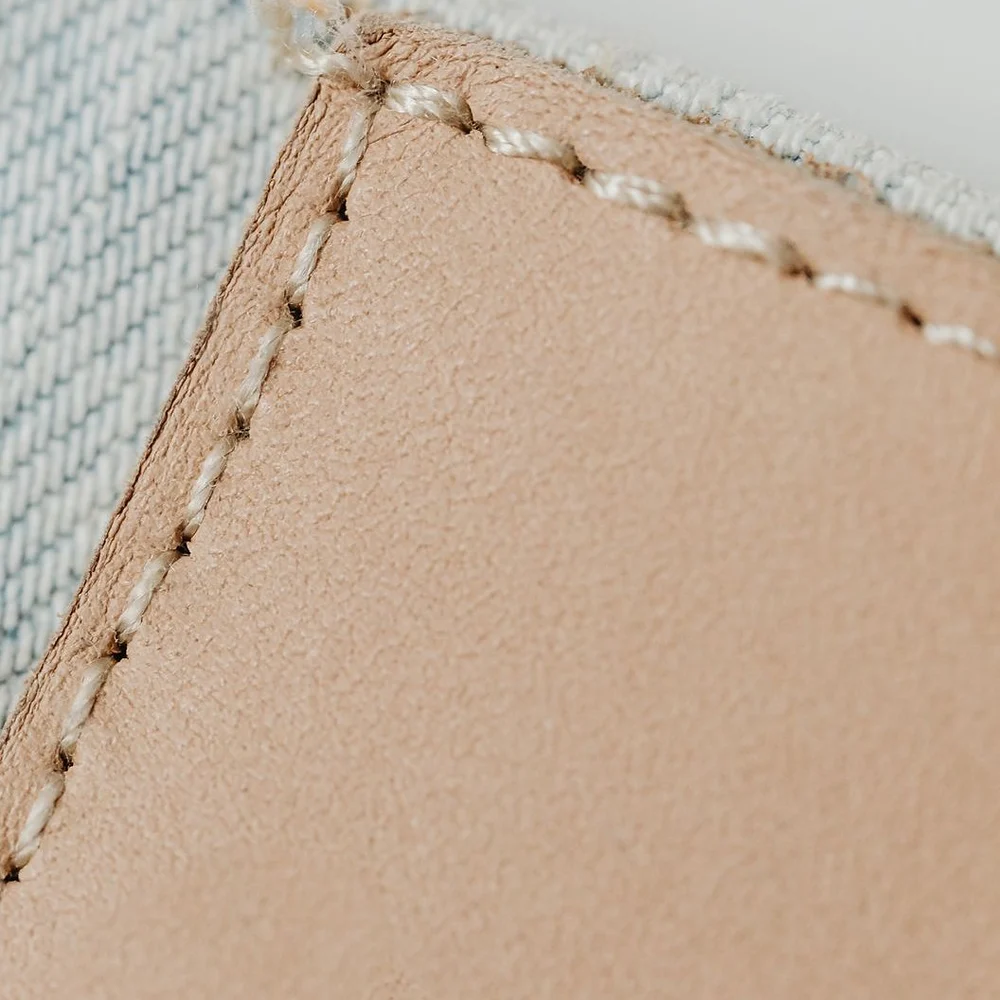
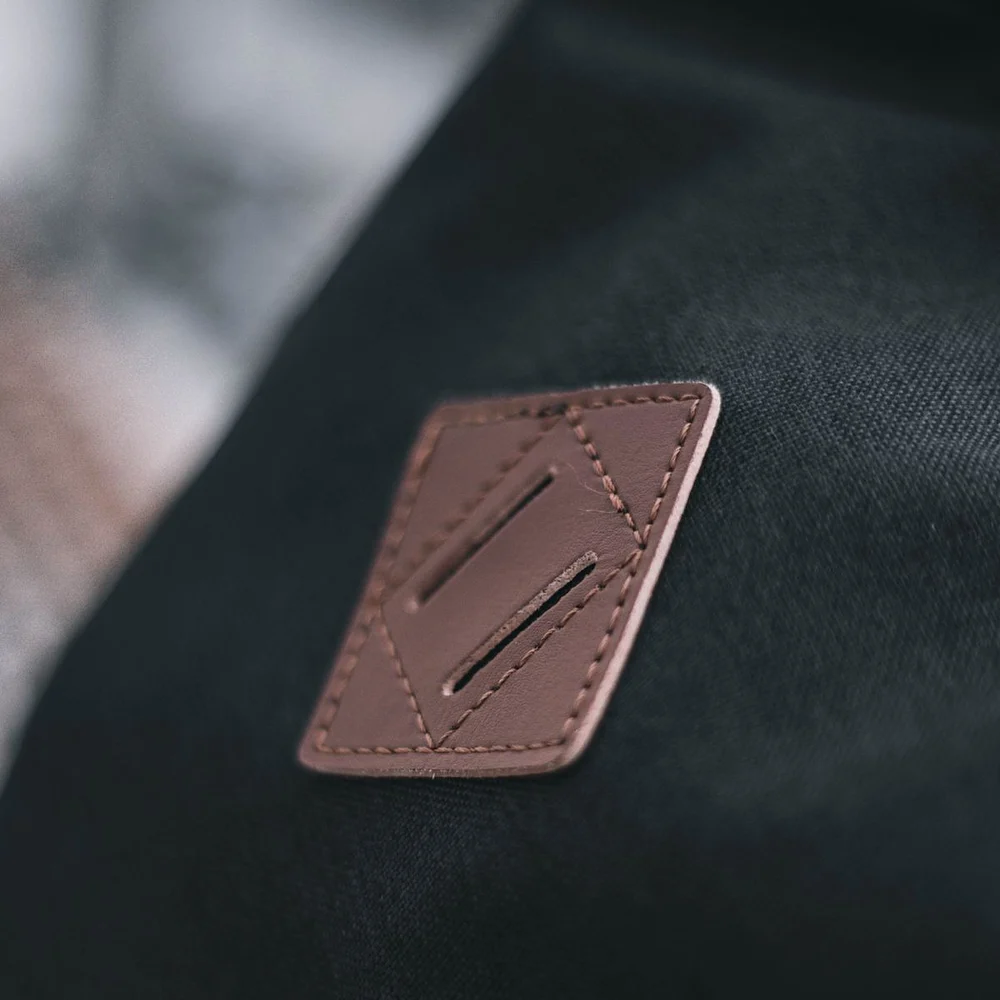
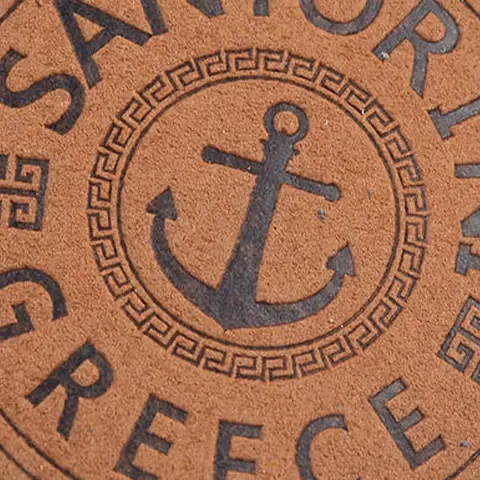
Up close
Marked into the surface.
The design sits in the material rather than on top of it, so the grain and tone of the surface become part of the look.
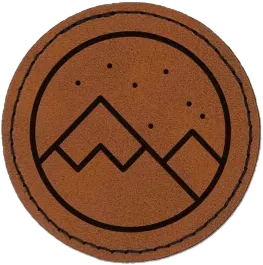
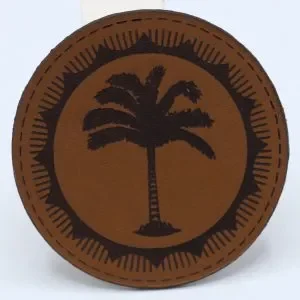
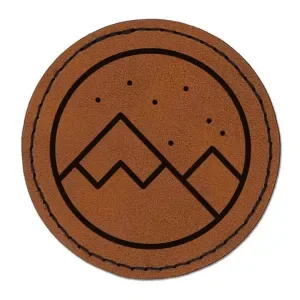
Line work in the surface
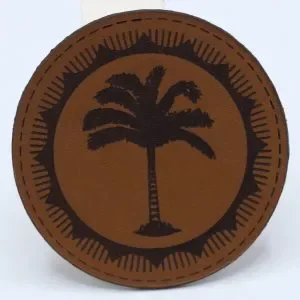
A design marked into the material
Fine detail needs room
Fit
Where leather patches work well.
Works well for
Hats and caps
Denim, jackets and workwear
Bags and accessories
Consider another type for
Designs that rely on many colors, which suit printed or embroidered patches
Very fine detail, which can blur in the leather grain
Engraving and pressing mark the design in the tone of the leather, so logos that work in a single color translate best.
02
Genuine or synthetic
Tell us your preference. Genuine leather varies naturally in grain and shade; synthetic leather is more uniform.
03
Attachment
Leather patches are commonly sewn on, for example around the edge of a cap patch; some are made with a backing for heat application. Tell us where the patch will go and we confirm the attachment with the quote.
04
Synthetic leather and engraving
Not every synthetic leather is suitable for laser engraving, so the material and the finish are chosen together. We confirm both with the quote.
Artwork & size
Artwork for a leather patch.
Artwork
Artwork that works in one color is best: a vector logo or a clean black-and-white image. Thin lines and small text need room in the leather grain, so tell us the finished size.
BestPDFAIEPSSVG
Fine for a quoteJPGPNG
No artwork yet? Choose to send it later in the form and describe the design in your notes.
Backing & edges
Backings and edges, explained.
General guidance on how patches attach and how their edges are finished, so you can tell us what suits the way your patch will be used.
DiagramSew-on (no backing)Stitched onto the garment. The most secure choice for items that are washed often.
DiagramIron-on / heat sealA heat-activated adhesive on the back, applied with heat and pressure. It can loosen with frequent washing, so stitching around the edge adds security.
DiagramHook and loopUsually the hook side is on the patch and the loop side is sewn onto the garment or gear, so the patch can be removed and swapped.
DiagramPeel-and-stick adhesiveA peel-and-stick back for temporary use, such as events. It is not meant for washing.
Diagrams These are preferences: we confirm what is feasible for your patch with the quote.
How it works
How ordering works.
Sending the form is a quote request, not an order. Nothing is produced until you approve a digital proof.
01
Send your request
02
Review and quote
03
Digital proof
04
You approve
05
Production
06
Shipping
Written approval by emailPayment terms in your quote or invoiceEstimates quoted individuallyOrder terms
FAQ
Common questions
Genuine or faux leather?
Genuine leather has a natural grain that varies from piece to piece. Faux leather is a synthetic alternative with a more uniform look. Tell us your preference and we confirm it with your quote.
What is the difference between engraved and debossed?
Engraving uses a laser to mark the surface, usually darker than the leather. Debossing presses the design into the leather with a die, leaving a recessed impression.
Can a leather patch go on a hat?
Yes, hats are one of the most common uses. See also caps and headwear.

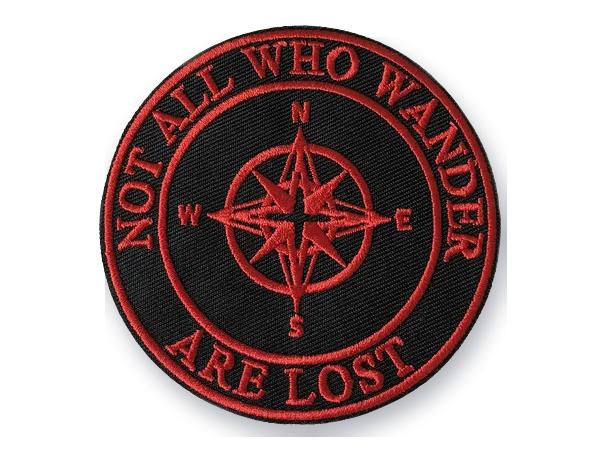 Embroidered patches
Thread stitched onto a fabric base, for the classic raised, textured patch.
LogosCrestsUniforms Explore
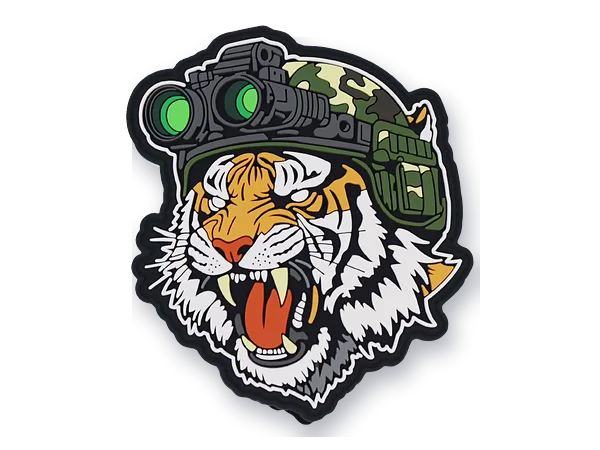 PVC patches
Soft molded PVC with raised, layered details and crisp color areas.
Tactical gearBagsOutdoor and sports equipment Explore
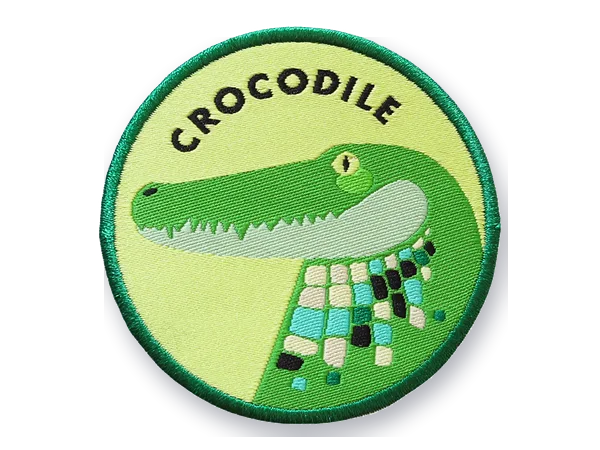 Woven patches
Thin threads woven flat, for fine detail and small lettering.
Detailed logosSmall textLabels and lightweight garments Explore