
Twill / base showing
- Less thread
- The base material contributes color
- Cleaner production for suitable designs
Twill-base is lighter and quicker to sew, and works well when the background is a single solid color.
Ready when you are. Send your artwork today — we'll take care of the stitches.
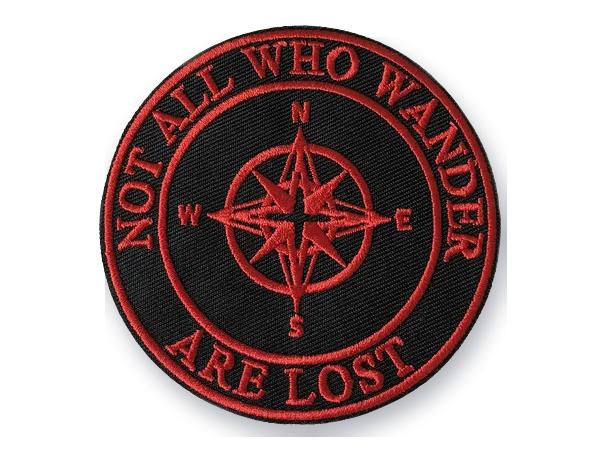 Embroidered patchesRaised, textured thread
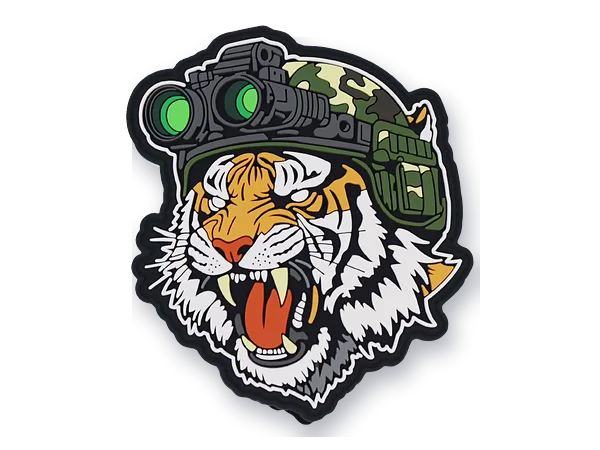 PVC patchesSmooth, flexible and dimensional
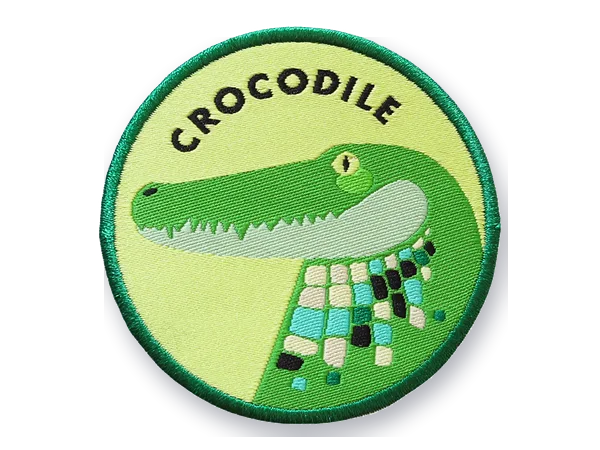 Woven patchesFlat, smooth and thin
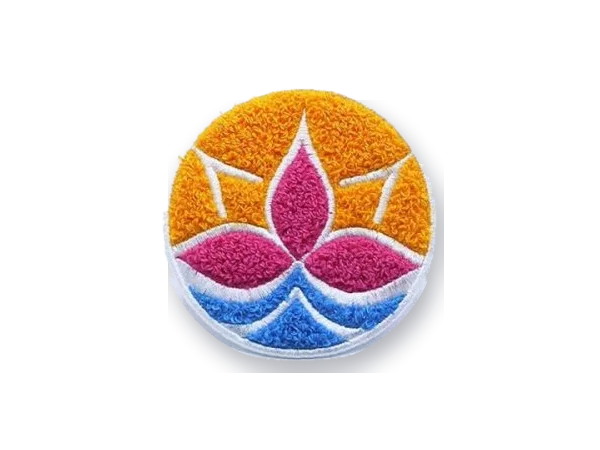 Chenille patchesSoft, fuzzy and raised
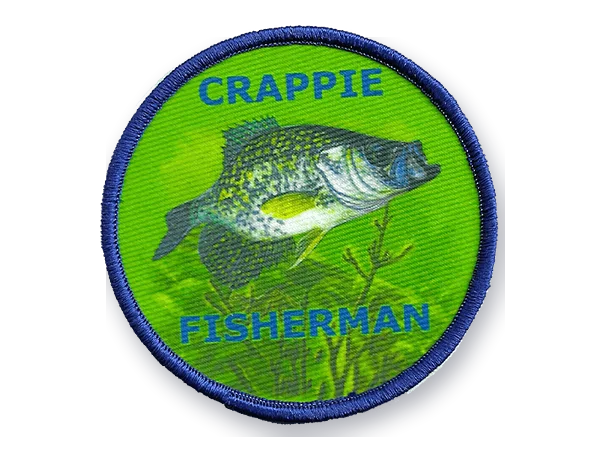 Printed / sublimated patchesFlat and smooth, full color
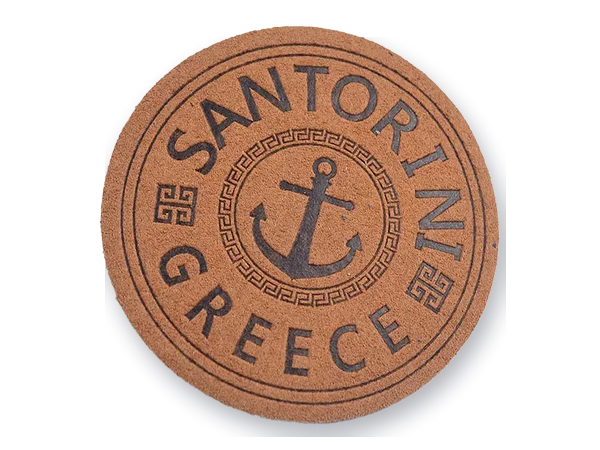 Leather patchesNatural, premium leather look
Patch Digitizing Service
Patch files are built around the finished shape, base material, border and interior embroidery — not just the artwork in the middle.
Why patches are different
A patch has no garment to support it once it is cut out. We plan the base, border and density so the finished piece stays flat, stiff and clean at the edge.
A patch can have clean interior stitching and still look poor if the border, shape or edge construction is wrong.
When a logo file is sewn as a patch, the problems show up after cutting. The border is too narrow to seal the fabric, the center curls because density is uneven, and the edge frays where the cut line got too close to the stitches.
Patch production also depends on how you finish them. A merrow border, a heat-cut satin edge and a laser cut each need a different file layout.
This page is about the digital embroidery file. We do not manufacture, cut, merrow or back patches; the file is sewn and finished by your shop or patch maker.
Weak patch file
Patch-specific file
Anatomy of a patch
The design itself is only part of the job. Select a part of the patch to see the structural decision behind it.
Twill-base patches use the fabric as background and stitch only the design, so the base contributes color instead of every area being filled with thread. Full-stitch patches cover the entire surface, which adds stitch count but gives a richer, thicker piece.
Fill is used where the design needs coverage, and the base is left showing where it does not. Background fills on full-stitch patches are layered and angled to stay flat; too much density in one direction pulls the patch into a cup shape.
The border has to cover the edge cleanly while preserving the intended patch shape. Satin-border patches get a wide, dense edge column sewn as part of the file, sized for the patch and the way it will be cut; merrow-finished patches get a simple shape with a placement line for the overlock border.
Where a border turns a tight corner, satin stitches crowd together and can pile up into a hard, bulky point. We turn the stitch angle through the corner, or soften the path slightly, so it stays clean.
Text near the edge has to stay readable at patch size and keep clear of the border, so it is not swallowed by the edge column or cut too close. We check size and spacing before the file is built.
The sequence is planned around the patch method and artwork. A common order is base and interior elements, then details, then the border, so the shape stays stable on film or tear-away and the outline does not shift before the border locks it in.
Border and finishing
How you finish the patch decides what the file has to include. We build the stitch file for the method you use.
We prepare the embroidery file. Merrowing, cutting and backing are done in patch production, by you or your supplier.
Satin border
The border is stitched in the file and the patch is cut with a hot knife or laser, which seals synthetic twill. Suited to custom and irregular outlines.
Merrowed edge
The classic raised overlock edge is added on a merrow machine after embroidery. Works best on simple round, oval, square and shield shapes without tight inside corners.
Custom shapes
The outline is part of the file. Its shape changes how the border runs and how the patch is finished.
Illustration Shapes shown as illustrations. Send any outline and we check it for your finishing method.
Base and coverage
Neither is always better. The design and the production method decide which suits the patch.
Twill-base is lighter and quicker to sew, and works well when the background is a single solid color.
Often called 100% embroidered. Every area is stitched, so color and texture are richer, but stitch count and sewing time go up noticeably.
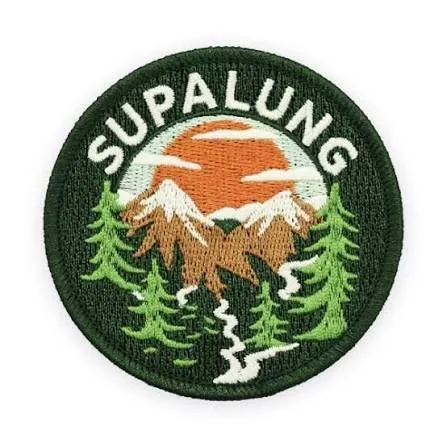
Illustration Same badge, two builds.
Before we digitize
Round, square, shield or a custom contour. If you have a cut file or an outline you already use, send it.
The final production dimensions. Detail that is too small to hold at that size is flagged before we start.
Twill or another fabric, and whether the base shows or the patch is fully stitched — if you know. If not, we suggest one for the design.
Satin border, merrowed edge, heat-cut, laser-cut, free-standing or not sure. If you sew several patches per hoop, tell us your layout and we can sequence a file that repeats cleanly.
Vector is preferred, but a suitable PNG or JPG can be reviewed. Backing (iron-on, hook-and-loop, sew-on) is applied after sewing and does not change the file much.
Service snapshot
Formats you can request
A standard order includes one machine format of your choice. Additional formats, and the editable EMB working file, are not automatic: we confirm availability and any charge with your quote.
Not sure which format? Patch shops usually run DST or EXP on multi-head machines. If you cut with a laser, tell us and we can note where the cutting guide falls in the sequence. We'll recommend the correct file for your machine.
Converting a file you already haveHow orders run
Upload
Send the artwork with the finished size and shape, and whether it is twill-base or full-stitch if you know.
Confirm
We review the outline for your finishing method and flag details too small to hold at patch size.
Digitize
Base, cut lines and border are planned before the design is filled in, so the edge and the art work together.
Deliver
Receive the machine file and a color and stitch sheet, with the cut line and border noted.
Related samples
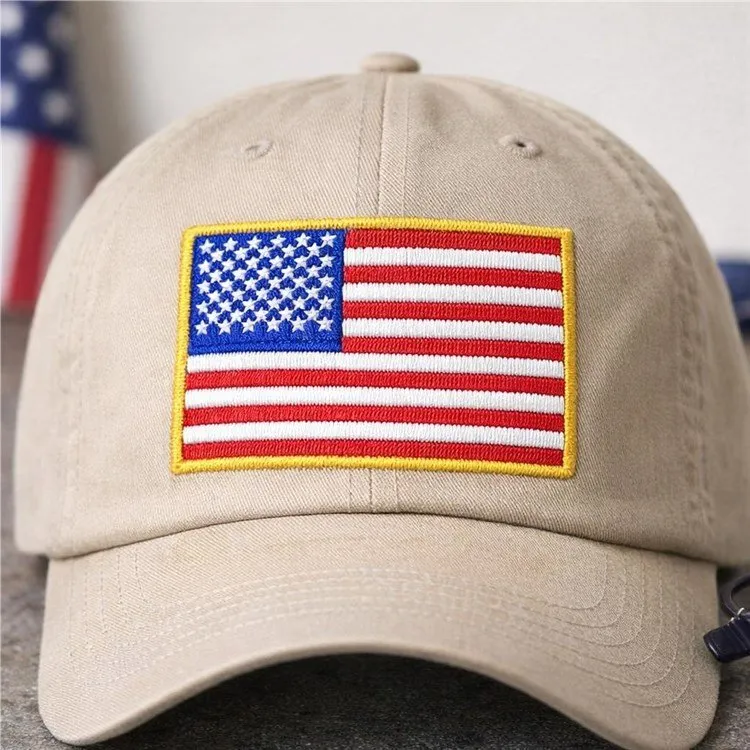
Patches
Have a design like this? Send it with the size and placement for a free quote.
Get Free Quote
Patches
Have a design like this? Send it with the size and placement for a free quote.
Get Free Quote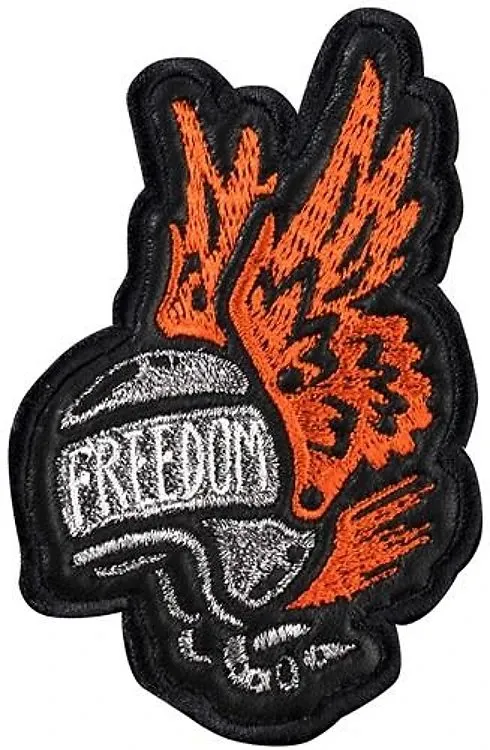
Patches
Have a design like this? Send it with the size and placement for a free quote.
Get Free Quote
Patches
Have a design like this? Send it with the size and placement for a free quote.
Get Free Quote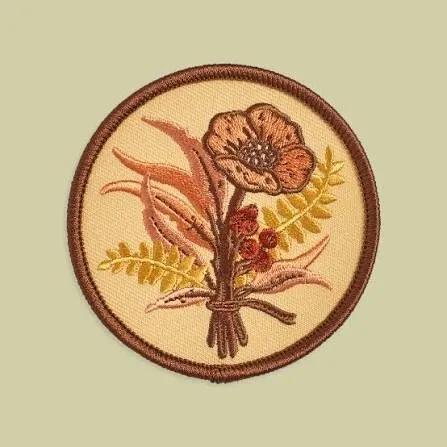
Patches
Have a design like this? Send it with the size and placement for a free quote.
Get Free QuotePatch artwork ready?
Not sure which border or patch construction you need? Send the design and we'll review it.
Questions
What shops and brands ask before sending patch work. Anything else, ask with your quote.
All questionsBuilding the embroidery file for a patch: the outline, the base, the interior design and the border, planned for the way the patch will be finished. We supply the stitch file; the patch itself is sewn and finished in production.
No. We prepare the embroidery file a patch is sewn from. Sewing, cutting, merrowing and backing are done by your own shop or by a patch manufacturer, so send us their machine format and finishing method.
A patch has no garment to support it once it is cut out, and its edge is part of the design. The file plans the base, border, cut line and density so the finished piece stays flat, stiff and clean at the edge, instead of just placing a logo inside a shape.
Yes. Custom and irregular outlines usually suit a sewn satin edge that is then cut with a hot knife or laser. Send the shape you want, or an existing cut file, and we build the outline and border to match.
A satin border is stitched as part of the design file, and the patch is then cut close to it, commonly with a hot knife (on polyester twill) or a laser. A merrowed edge is an overlock stitch added on a separate merrow machine after the patch has been embroidered and cut, so the embroidery file does not sew it; we leave a clean outline and placement for it. Merrow machines handle circles, ovals and gentle curves well but not sharp corners or tight inward turns, so custom outlines usually get a satin border or a heat- or laser-cut edge instead.
It depends on the patch. In many twill patches the placement line, tack-down and border can sew before the design details. On dense designs, or patches built on film or water-soluble stabilizer, the satin border is often sewn last so the heavy stitching does not pull the patch out of shape or weaken the stabilizer before the edge is finished. We plan the order for your design and production method.
Yes, that is what a twill-base patch is. The fabric forms the background and only the design is stitched. It is lighter and quicker to sew, and works well when the background is a single solid color.
Yes. Full-stitch patches cover the whole surface in thread, which looks richer and feels thicker but takes more stitches. Background fills are layered and angled so the patch stays flat.
Yes. We can include a run line where the cut should fall, or match the outline to a cut file you already use. Tell us your cutting method when you request a quote.
Vector artwork (AI, EPS or PDF) is preferred; a clear PNG or JPG can be reviewed. Include the finished size, the shape and the edge method if you know it. For the outline itself, vector art can help when you only have a low-resolution image.
Patch shops usually run DST or EXP on multi-head machines, and we also supply PES and other formats. Tell us your machine and cutting method.
Usually. Puckering, gaps and distorted outlines come from fabric pulling under the stitches, which underlay, backing and pull compensation are there to control; bulky corners come from satin stitches crowding where the border turns, and a border without enough underlay can look thin or uneven. Send the file with a photo of the sewn patch and we tell you whether we would correct or rebuild it before any work starts.
The finishing backings do not: iron-on, hook-and-loop and sew-on backings are applied after the patch is stitched, so they are not part of the file. The material the patch is sewn on does matter. On film or water-soluble stabilizer, dense stitching can perforate the stabilizer, so the border may be sewn after the design and the construction is planned to hold together once the stabilizer is gone. Tell us how the patches will be made.
Yes, for free-standing styles. The file needs heavier underlay and a solid border so the patch holds together once the stabilizer is washed away. Let us know so we build it that way.
Each patch design is quoted before any work starts. The quote depends on the size and detail of the design, whether the background is twill or fully stitched, the border type, and how many sizes or versions you need. We supply the stitch file only; making, cutting, merrowing and backing the patches is done by your shop or patch maker. See pricing and policies.
Related services
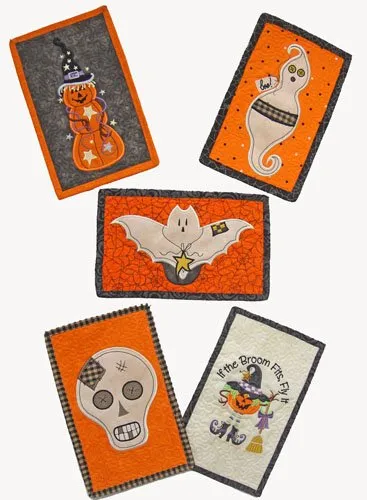 Appliqué Digitizing
Placement, tack-down and cover stitches sequenced with stops for fabric and trimming.
 Small Lettering
Readable tiny text through adjusted density, light underlay and stitch types chosen per letter size.
Free quote · No payment to ask
Upload the design, tell us where it needs to sew, and we'll take it from there.